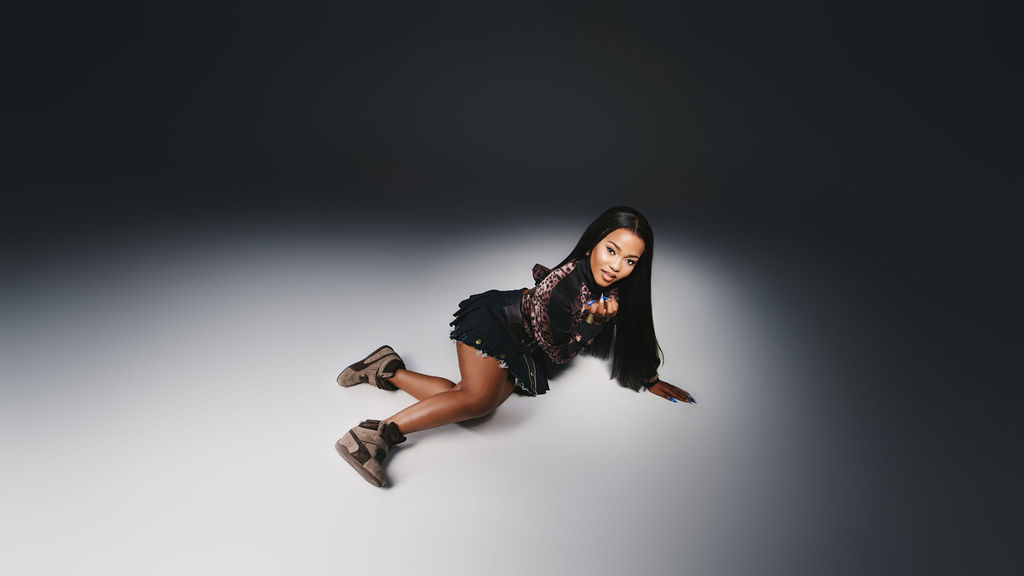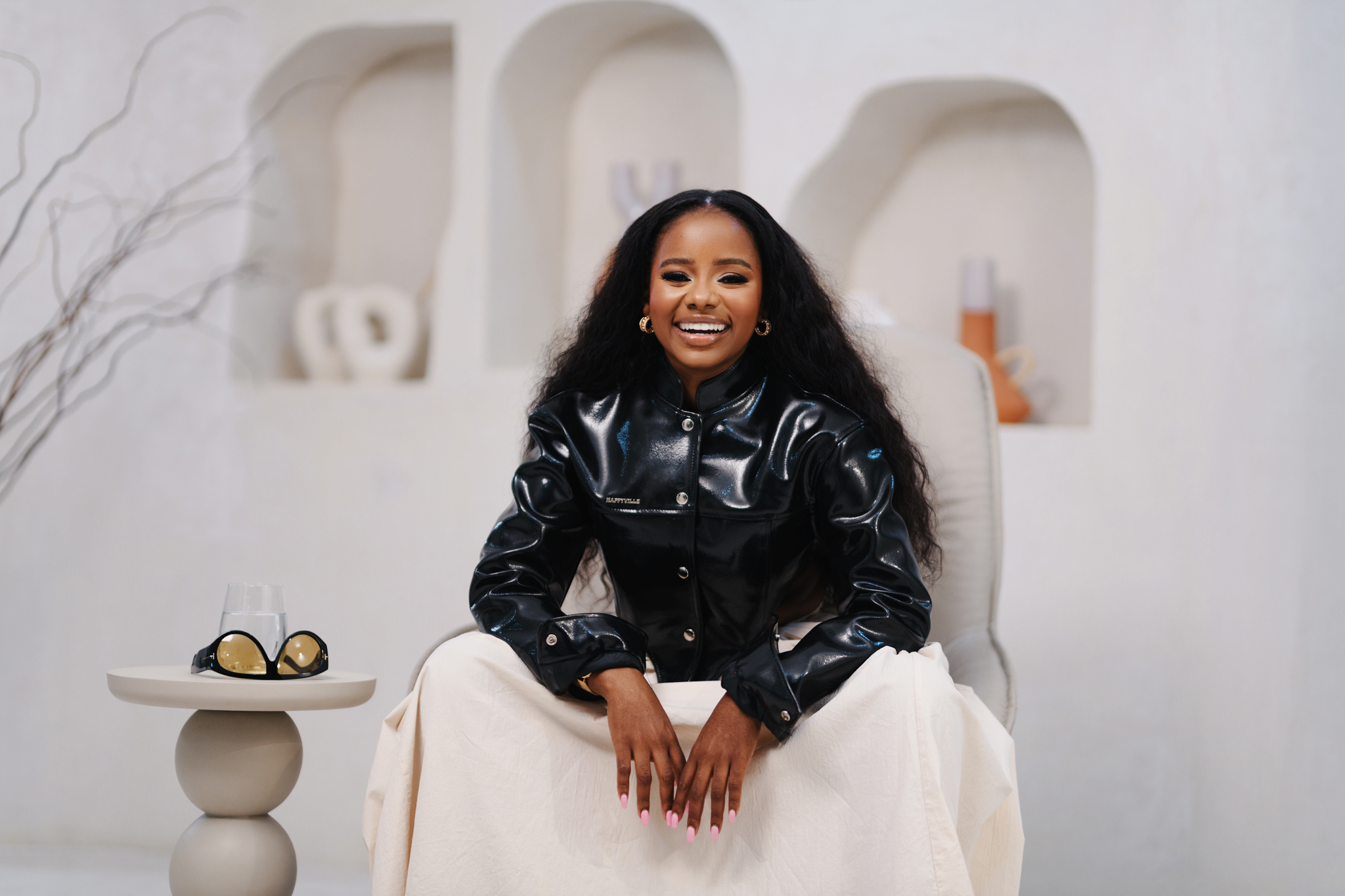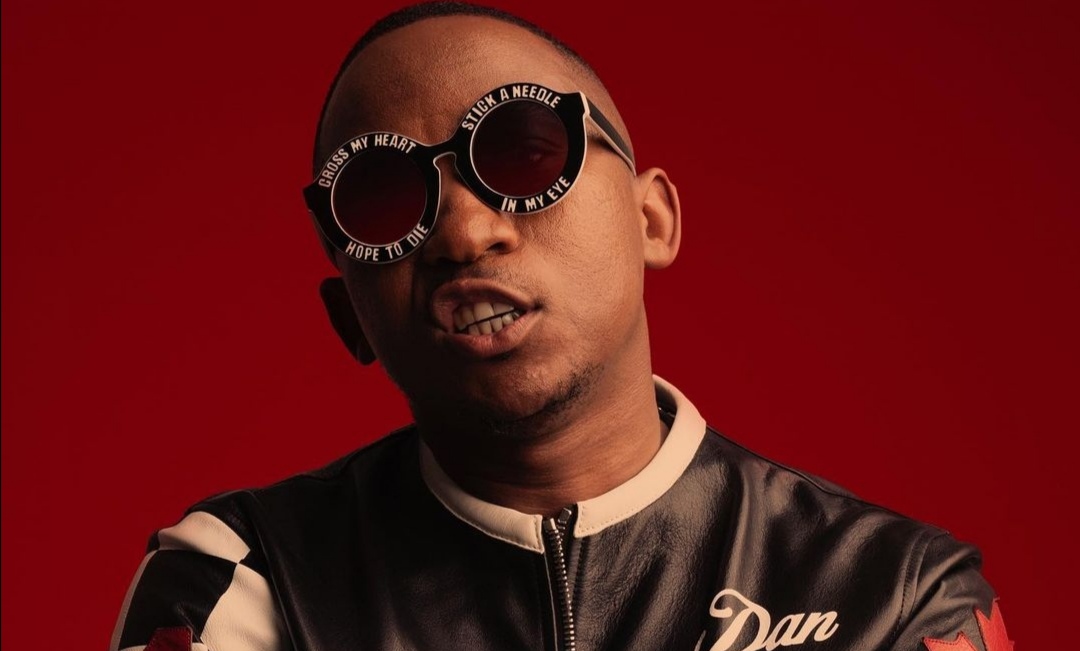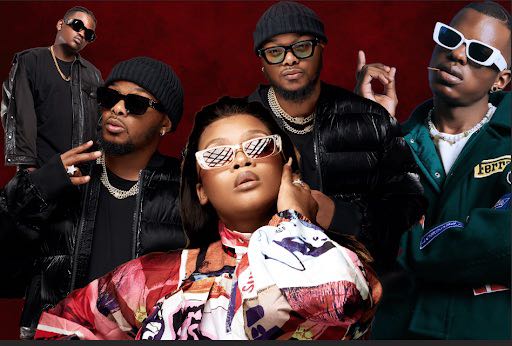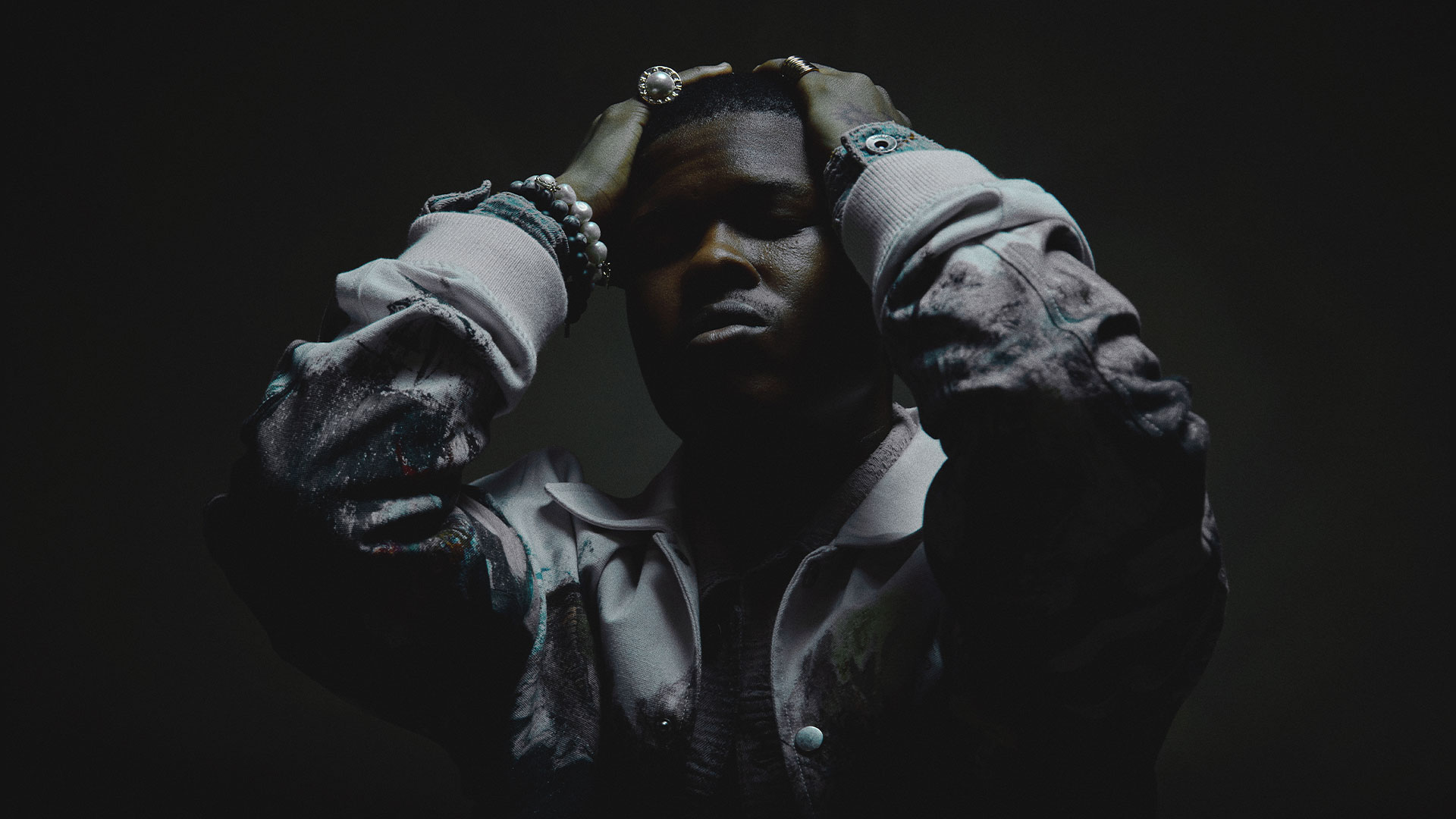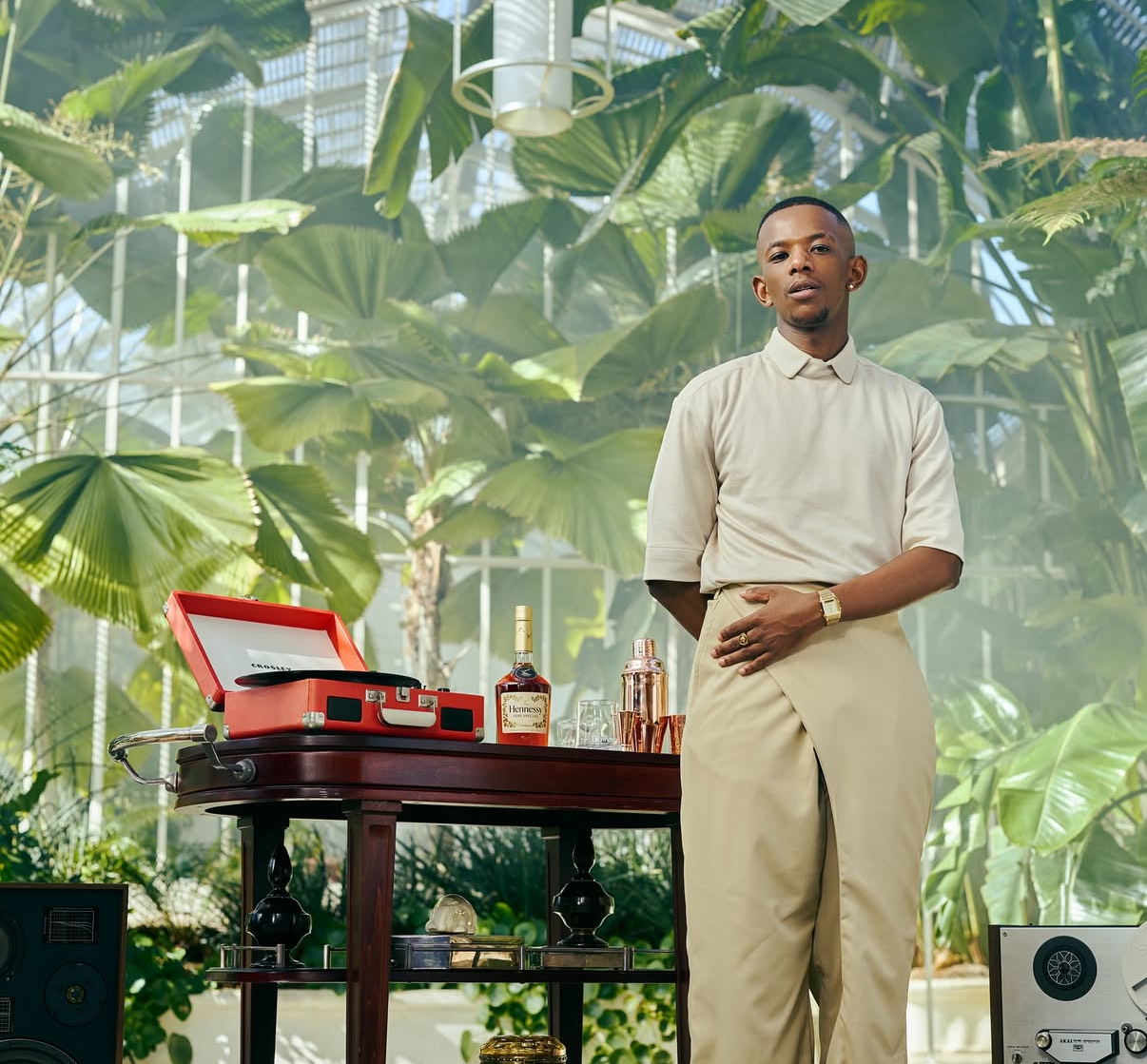
When you think of Hennessy, images of opulent evening lounges or global luxury likely come to mind. But over the past year the brand has quietly, yet decisively, recalibrated its lens toward Africa — casting the continent not as a peripheral market but as a central incubator of creativity. At the heart of this shift is the 2025 “Made for More” campaign, which brings together Tems, Kabza De Small and Maglera Doe Boy in bold celebration of African culture.
Tems, the Nigerian songwriter who holds global attention, now stands as Hennessy’s Global Brand Ambassador. Kabza De Small and Maglera Doe Boy appear as “Friends of the House”, anchoring the campaign’s African voice across music, style and collective experience. The campaign unfolds in three immersive club-concept spaces — Games Club, Art Club and Jam Club — each designed to mirror different facets of African cultural expression.
What makes this collaboration stand out isn’t simply star power. It’s the way Hennessy has placed African creators into the brand’s narrative, allowing them to shape the story rather than being mere endorsers. In the Jam Club, Kabza De Small anchors the rhythm-rich scene, reflecting his role as pioneer of Amapiano — a genre whose rise mirrors Africa’s creative confidence. In the Art Club, Maglera Doe Boy navigates a dreamscape of murals and installations, signalling the shift from Africa being a muse to becoming a maker.
By aligning with these artists, Hennessy isn’t just messaging — it’s embedding itself into Africa’s cultural ecosystem. In Lagos, Johannesburg and Nairobi, the brand’s visuals now reflect local hangouts, vernacular style and generational attitudes. It’s no longer “Hennessy sells luxury in Africa” — it’s “Hennessy helps culture express itself.” The difference is meaningful.
What this means for African culture
First: visibility evolves into validation. African creatives are no longer waiting for recognition from Western institutions — they’re being elevated by legacy global brands. When Tems appears in a campaign alongside sophisticated visuals rooted in African style, it tells young creators that their vision matters and their voice is marketable.
Second: culture becomes commerce on local terms. Hennessy’s collaboration shows how creative work — music, visuals, art — can be leveraged into premium brand partnerships without dilution. The brand’s deep amber tones tie into its legacy, but the spaces and faces are purely African. It creates a blueprint: you don’t have to conform to global norms — you bring the global to your norm.
Third: community is centre stage. The campaign repeatedly focuses on collectives, clubs and shared experience. Hennessy emphasises that belonging isn’t about exclusivity — it’s about shared creativity. The Games Club, for instance, reframes street games like chess and cards as cultural rituals, and by doing so the campaign honours everyday habits that shape African identity.
For creatives and culture workers: how to lean in
• Recognise that legacy brands are now looking toward Africa not just for consumption, but for collaboration. These partnerships are no longer transactional — they’re narrative tools.
• Align your work with culture, not just trend. Hennessy’s campaign is effective because it taps music, art and community, not just product placement.
• Understand that value is created when local story and global platform intersect. Hennessy’s move with Tems, Kabza and Maglera gives African creatives exposure while keeping cultural authenticity intact.
Hennessy’s influence in Africa isn’t about dominating cultural spaces — it’s about giving space for culture to dominate. By collaborating with Tems, Kabza De Small and Maglera Doe Boy, the brand has shifted its strategy from sponsorship to partnership. The message is clear: when African culture moves, it moves Hennessy too. And in that movement lies possibility for countless creators.