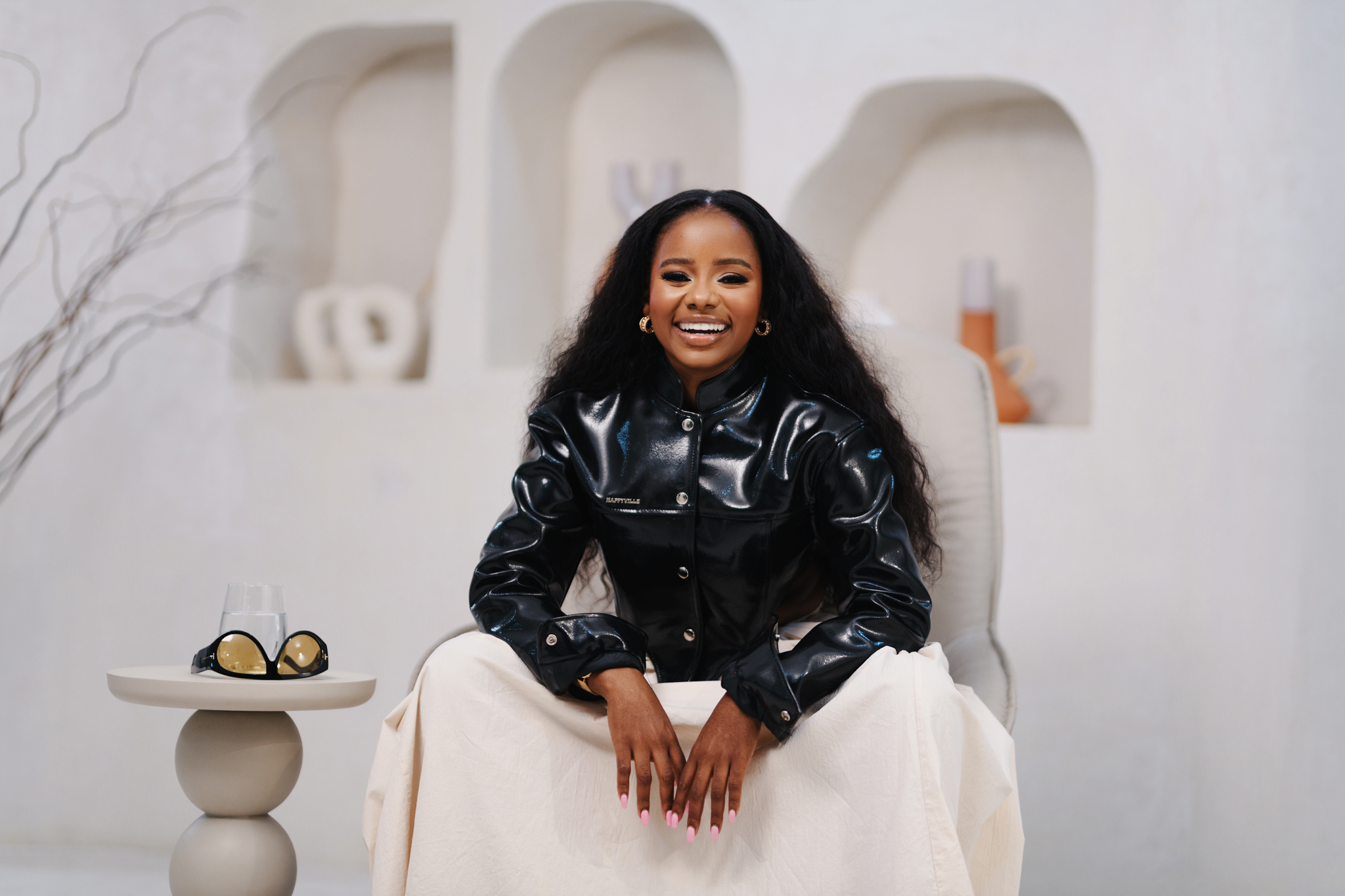
Amapiano is more than a genre. It is a mood, a movement and an aesthetic ecosystem. At the center is a stylist who has spent years defining how the sound looks. Her work is visible across music videos, performances and the wardrobes of artists who carry South Africa’s biggest cultural export.
For her, styling begins with the music. She listens to each track before selecting a single outfit. A soft piano line calls for warm tones and fluid fabrics. A heavy log drum demands oversized silhouettes and bold accessories. She believes clothing must translate the emotional frequency of the sound.
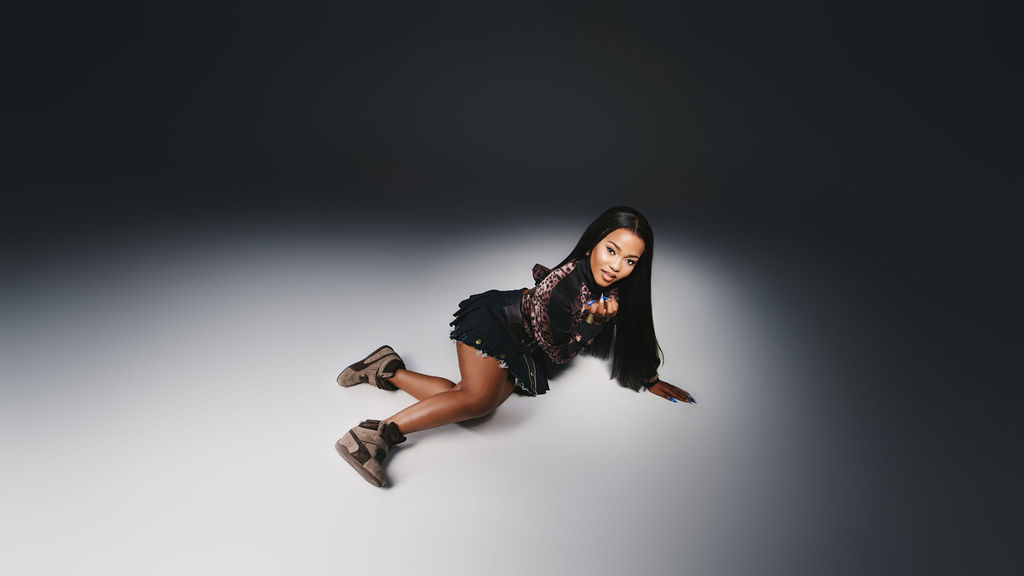
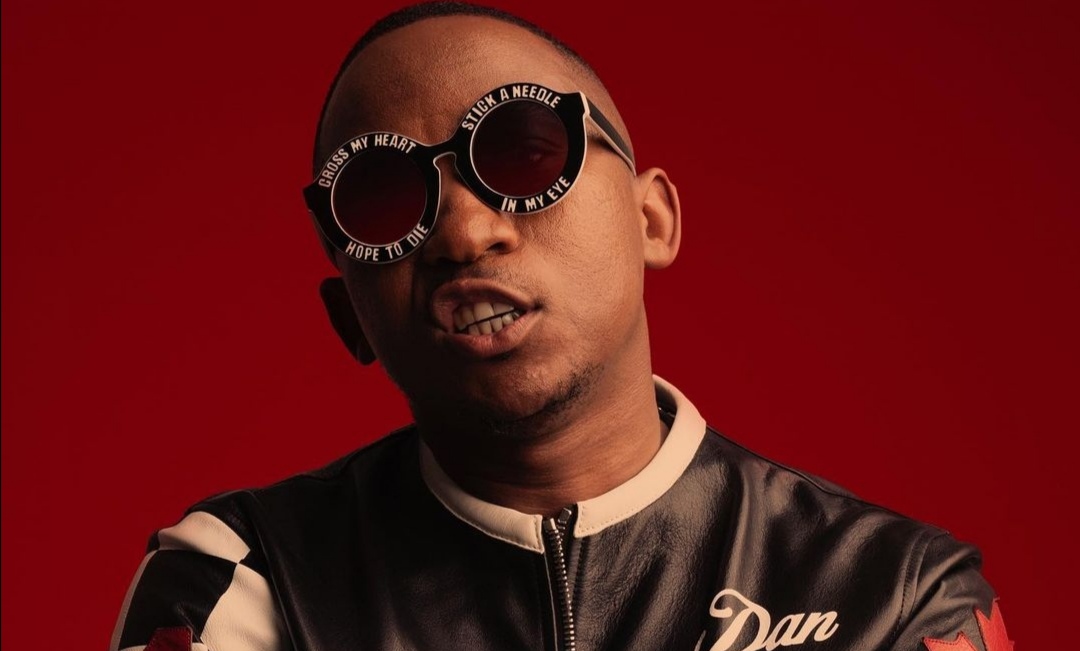
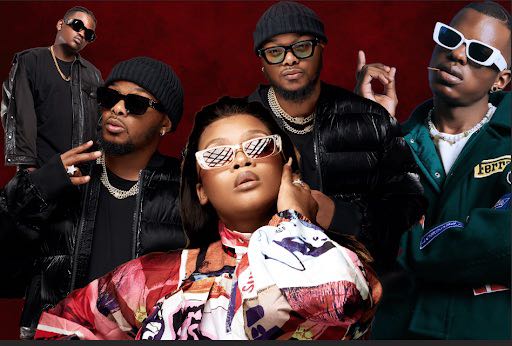
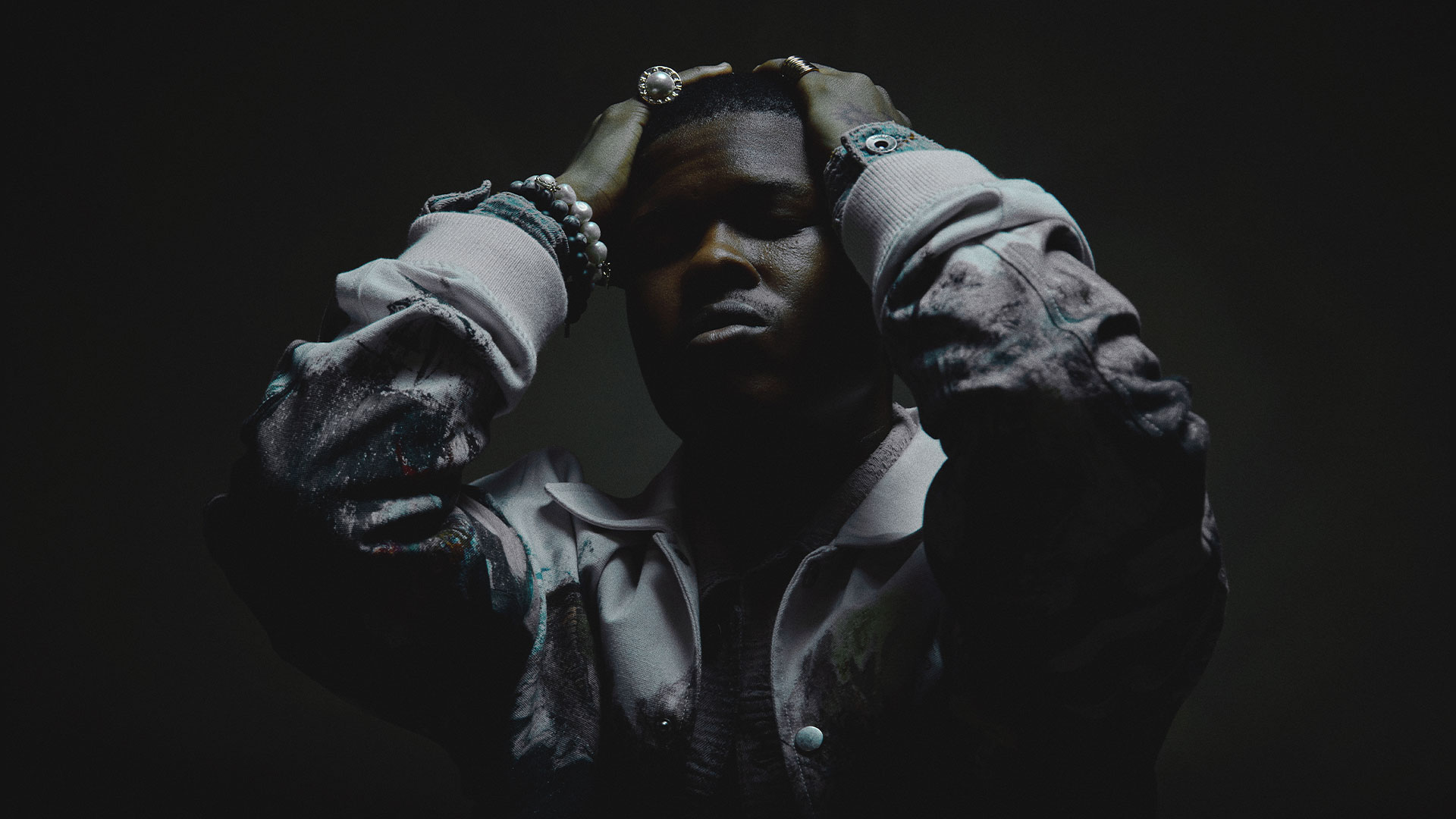
Her signature style blends local street culture with high fashion experimentation. Think oversized jerseys, leather jackets, chunky sneakers, layered jewelry and silhouettes inspired by township nightlife. Her looks feel grounded in reality yet polished enough for global stages.
She draws inspiration from everyday spaces. Taxi ranks, street markets, club dance floors, photos of late night hangs. Amapiano fashion, she says, must feel lived in. It cannot look imported.
Her influence is massive. Fans replicate her outfits. Brands reference her styling in campaigns targeting African youth. Global artists borrow from the aesthetic she helped build.
But what she values most is authenticity. She spends time with artists to understand their personalities and how they want to be seen. Styling becomes a partnership rather than construction.
She believes the next evolution of Amapiano style will be futuristic. Metallic tones. Hybrid sportswear. Sculptural accessories. As the sound evolves, so does the wardrobe. She is already designing pieces that push boundaries.
For her, styling Amapiano is cultural work. She is not just dressing artists. She is dressing a generation.