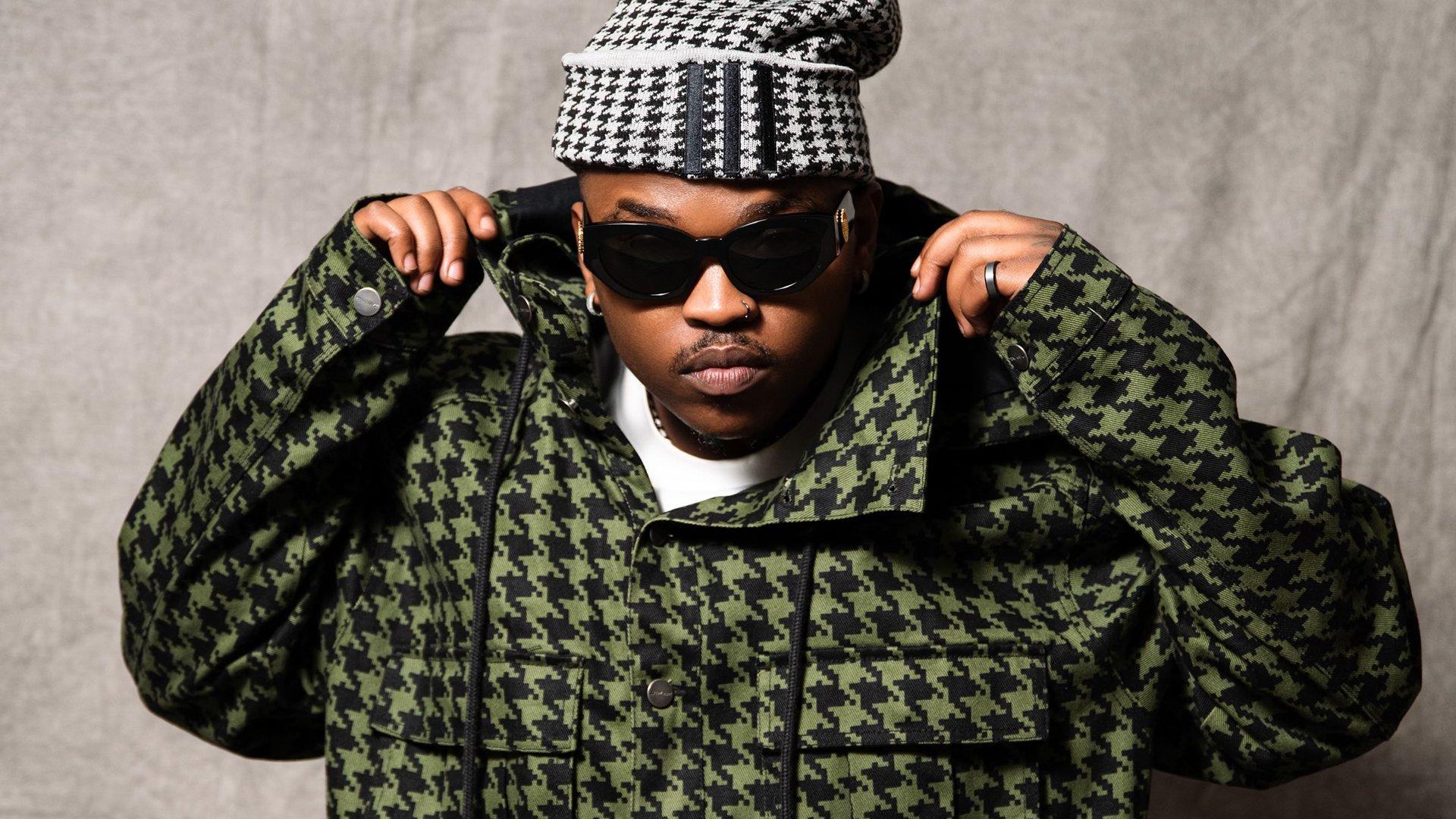
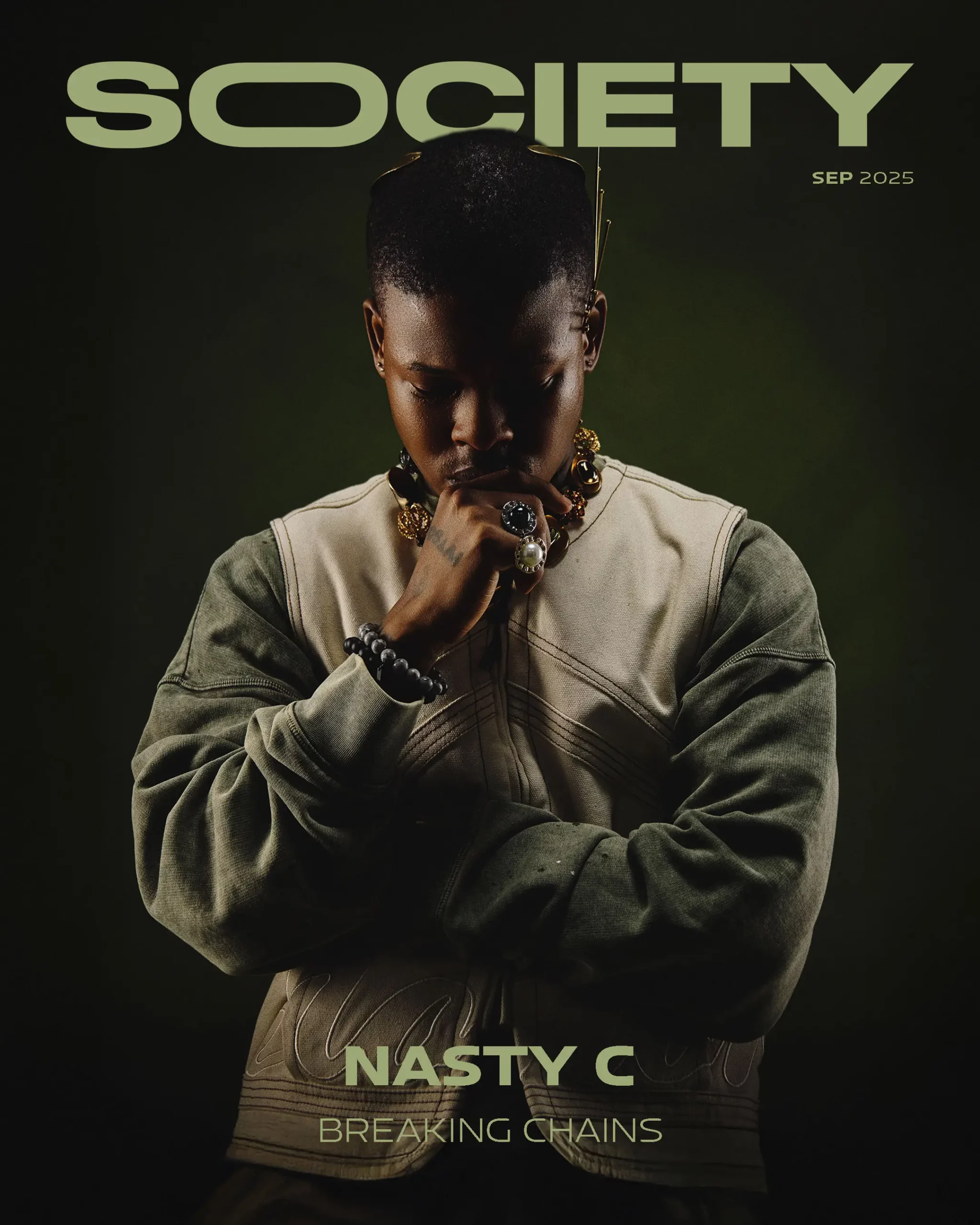
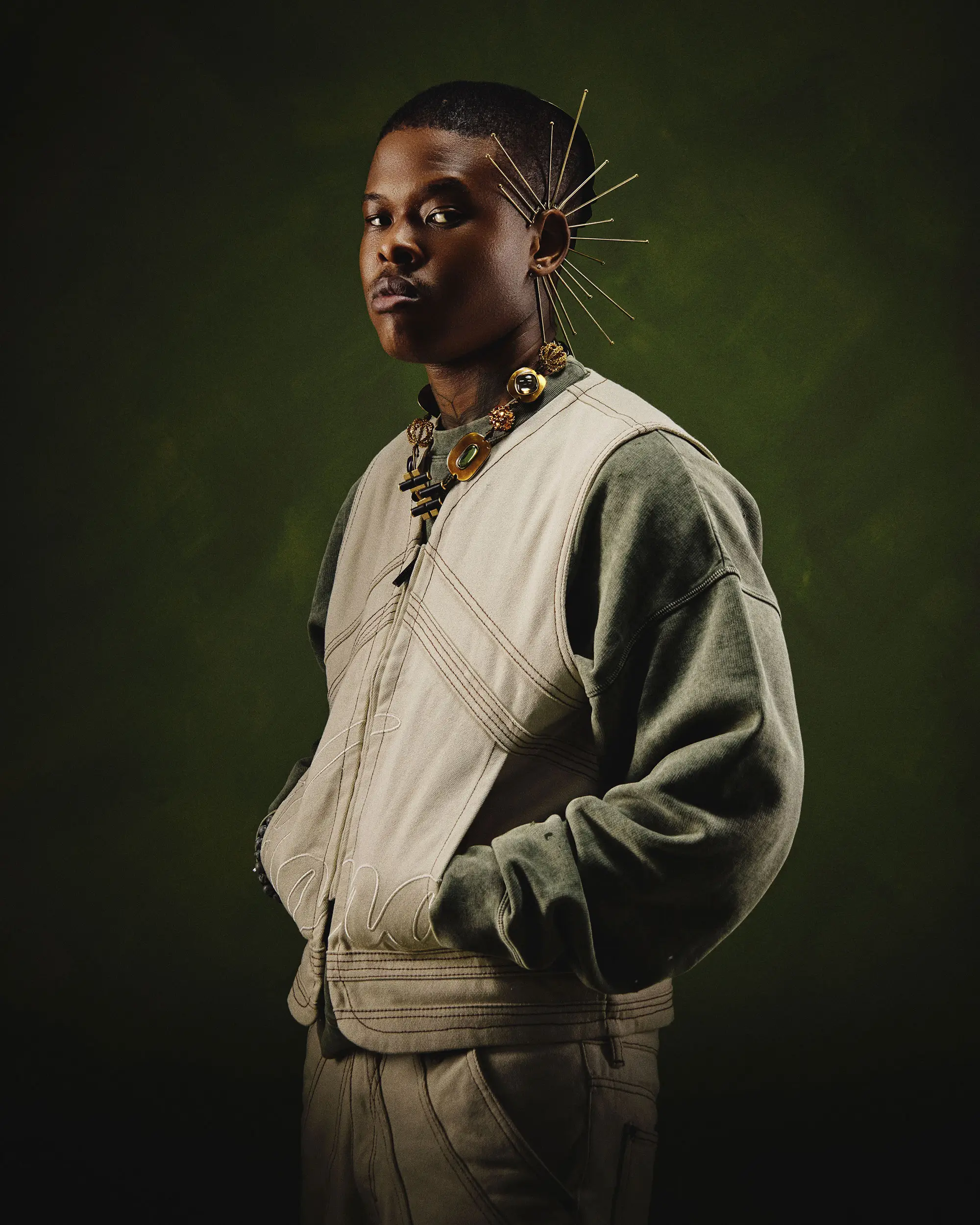
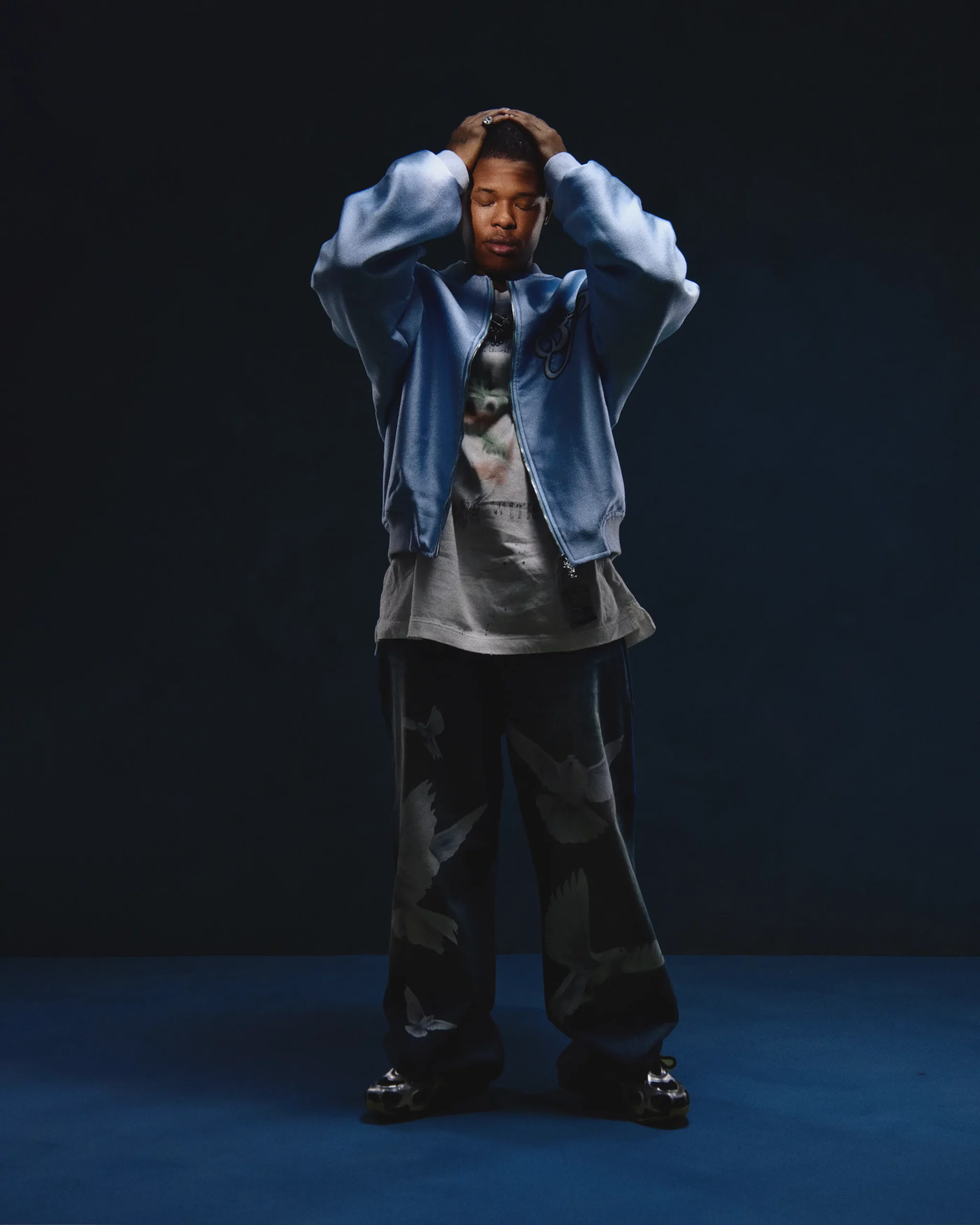
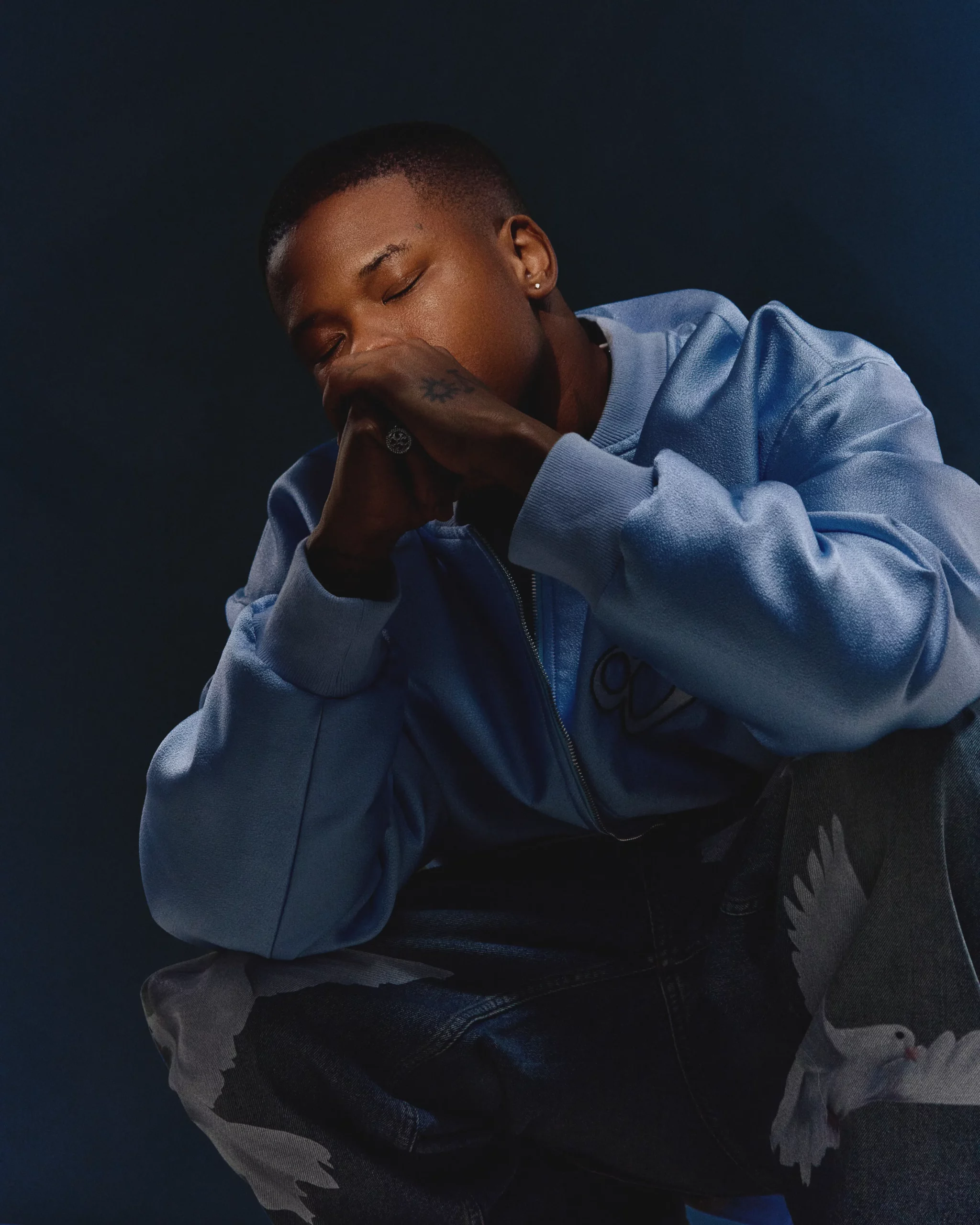
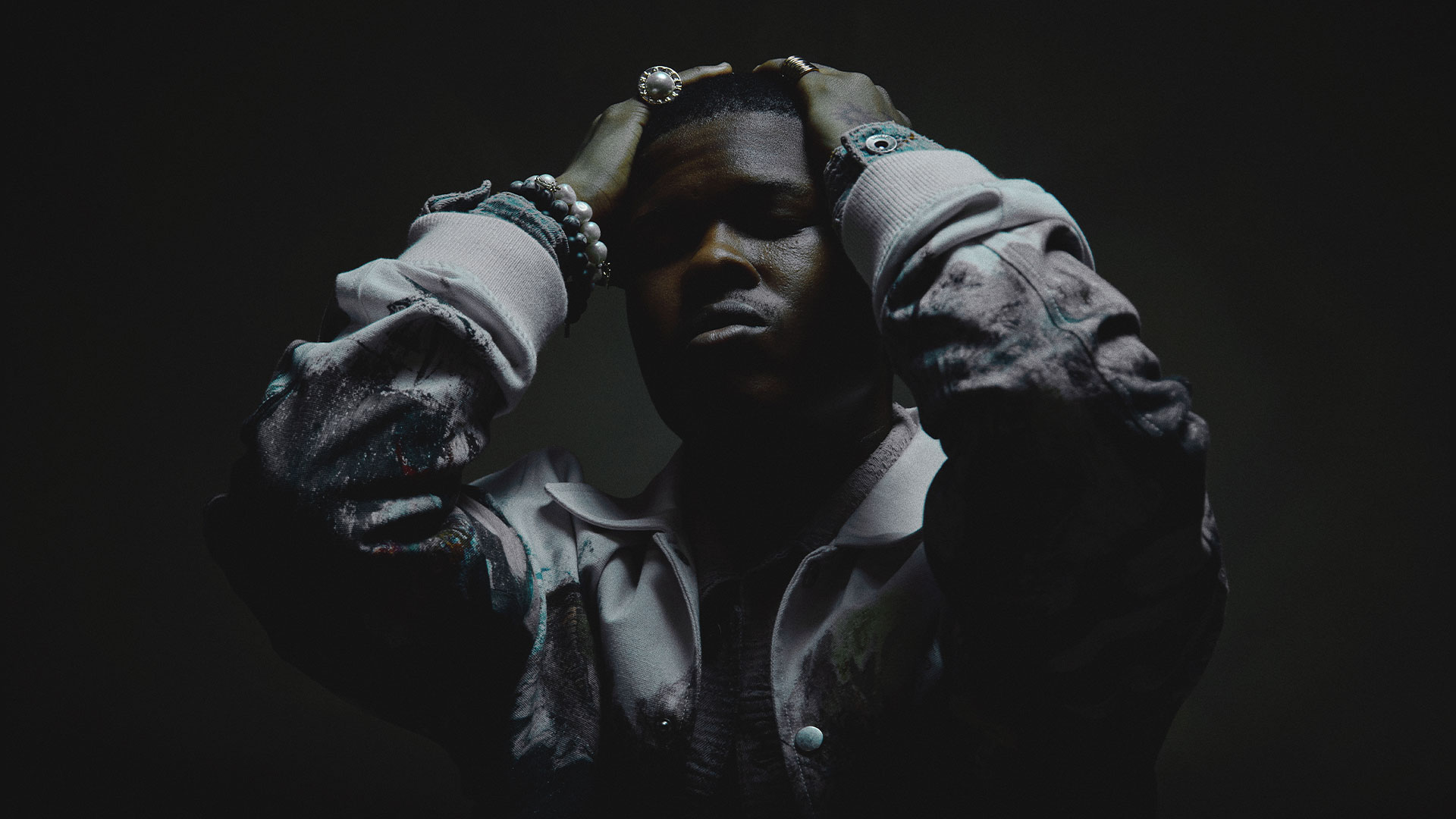
Nasty’s early success led to global ambitions. In 2020, he inked a high-profile deal with Def Jam Recordings, joining the ranks of hip-hop’s elite. Under the major label machine, he dropped his third album Zulu Man With Some Power and notched co-signs from heavyweights. But the gloss of industry success came with creative strings attached. “Don’t get me wrong, I’m grateful for that experience,” he says, choosing his words carefully as the car speeds past nighttime cityscapes. “Def Jam opened doors, put me on worldwide stages. But I was also operating on their terms – deadlines, commercial expectations, all these voices in my ear. After a while, it felt like I was rapping with an anvil on my chest.” He pauses, scrolling through messages on his phone. “I’m a kid from Durban – I never liked being told what I can or can’t do. I had to break out.”
Breaking Away and Building Tall Racks
Last year, after fulfilling his contract, Nasty C quietly parted ways with the major-label system. Instead of signing another deal, he chose the wild road of independence. “Scariest decision of my life,” he admits, looking up with a grin that suggests it was also the best decision. Now at the helm of his own label Tall Racks Records, he’s not just an artist on the roster – he’s the owner, the boss, the visionary calling the shots. “I went from being a priority to being the priority,” he says with a chuckle. In the backseat, he flips open a MacBook to show me a dashboard of statistics: streaming numbers, merchandise sales, fan engagement data. It’s the back-end of Tall Racks’ new digital platform, a one-stop hub that he and his team built to empower independent artists. “We’re doing things differently now,” Nasty explains, proud excitement creeping into his voice. “Tall Racks isn’t just a label anymore – it’s a movement. It’s about helping artists, including me, break FREE from the traditional way of the music business and take full control of their careers.” The FREE album title, he notes, isn’t just about him leaving a label – it’s about a mindset he wants to share.
Tonight’s late meeting is with his core team and a representative from Platoon – Apple Music’s independent distribution arm that partnered with Tall Racks to release FREE. Through Platoon’s platform, Nasty has global reach without giving up ownership of his masters. “I own my music, bruh. How crazy is that?” he says, flashing an exuberant smile. For an artist who’s tasted the constraints of a traditional deal, that ownership is everything. It’s also a full-circle moment: back in 2018, when he first launched Tall Racks at age 21, he was just learning the business ropes. Now he’s relaunching it on a far bigger scale – not just for himself, but as a template for other African artists to follow. “I’m just trying to push the movement for the next version of me that comes up,” Nasty C said in an interview last year, “I need that guy to have it easier than I had it.” That sentiment is at the heart of everything he’s doing with Tall Racks 2.0.
In the meeting room of a boutique hotel, Nasty greets his small crew with quick hugs – his manager, two software developers from the Tall Racks platform team, and the Platoon rep beaming about FREE’s early metrics. As they dive into talk of playlist strategies and a forthcoming global livestream event, it’s clear this isn’t the stereotypical rap star after-party. There are no champagne flutes or entourages here; instead, a laptop is casting a presentation onto a projector screen, and Nasty C, still in his post-show hoodie and gold chains, is leaning forward intently, contributing ideas between bites of a late-night burger. “He’s as much CEO as he is MC these days,” his manager whispers to me with a wink. “Studio, stage, boardroom – Junior handles his business everywhere.” Nasty, overhearing, shoots a mock-scowl across the room. “Don’t gas me up!” he chides, eliciting laughter. It’s a different kind of leadership, one based on collaboration and authenticity.
“FREE,” Nasty announces to the group, “is doing numbers.” The data confirms it: in its first week, FREE amassed streaming figures that shattered Nasty C’s personal records. The album has already hit number one on Apple Music’s South Africa chart and cracked the Top 20 in several countries across Africa. On Spotify, an impressive spike in listens came from the U.S. and U.K., where fans have caught on via social media buzz. “Leftie” – performed live just an hour ago – is FREE’s breakout hit, a trap banger laced with Zulu chants that has spawned a viral TikTok dance challenge and flooded Instagram feeds. “I knew ‘Leftie’ was special when I saw 10,000 people screaming the chorus back at me in Cape Town,” Nasty says, recalling a recent show. “That hook is half English, half Zulu, and these kids who don’t even speak Zulu are rapping along like it’s second nature. Man, that gave me chills.” He shakes his head, smiling at the thought. “We’ve got South African street slang bouncing around the world now. That’s power.”
The Making of FREE: No Rules, No Pressure
The creative process behind FREE was, fittingly, liberating. After cutting ties with the old label structure, Nasty C hunkered down in his home studio in Durban and let inspiration run wild. “For the first time in years, I could create with zero expectations hanging over me,” he says. Late nights at his home studio often turned into sunrise sessions, with Nasty experimenting as both artist and producer. One sweltering night this past January, he found himself alone at 3 A.M., tinkering with a moody piano loop he couldn’t get out of his head. Instead of phoning a big-name producer, he pulled up his own production software. “I had this crazy 808 pattern idea and thought, why not try it myself?”
The result became the track “Soft,” a fierce yet deceptively-titled anthem that Nasty not only rapped on but fully self-produced. It dropped in June as the album’s second single, showcasing his behind-the-boards chops and full creative control in the studio. Critics and fans ate it up – Nasty C the producer had officially arrived. “I’ve always played around with beats, but Soft was me saying, okay, I can do this at a high level,” he explains.
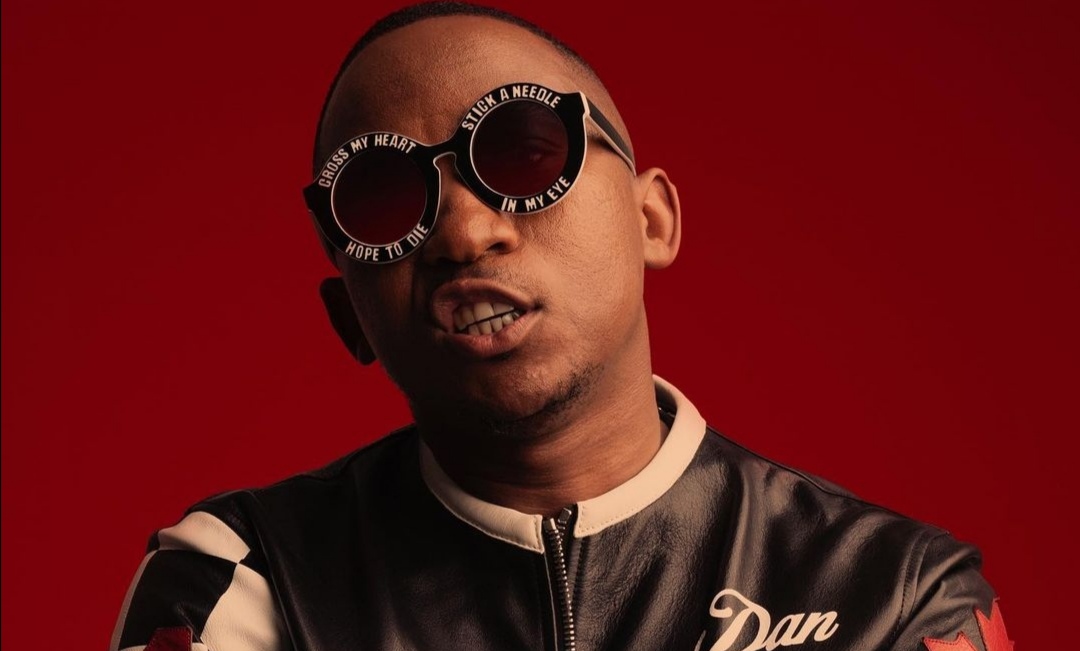
The song pairs a booming bassline with Nasty’s swaggering bars, and it features a hungry young Durban rapper named Usimamane who Nasty handpicked for the track. “Usi reminds me of me at 19,” Nasty says. “Raw, fearless, and he’s got that grime in his voice. Putting him on Soft just felt right – Durban stand up!”
"No chains on me, I’m free indeed", "I cut the ties so my soul could breathe."
By the time the soulful closing track “All In” rolls around – featuring Nasty singing, not rapping, over lush gospel-tinged production – it’s evident how far he’s come. “I put more of myself into this album than ever before,” he reflects. “My feelings, my flaws, my story… it’s all in there. I think people can sense that authenticity.”
Global Reach, Local Roots
The rollout of FREE has been nothing short of a victory lap for Nasty C. Unencumbered by major-label red tape, he and his team have leaned into unorthodox strategies to connect with fans. Instead of a typical press conference to announce the album, Nasty took to Instagram Live from his living room one night, casually playing snippets of unreleased songs to 50,000 rapt viewers worldwide. “Felt like I was chilling with family,” he says of that spontaneous preview. In July, he dropped a freestyle on Sway In The Morning in the U.S. that instantly trended on Twitter – four fiery minutes of off-the-dome wordplay that had even Sway’s jaw on the floor. The clip garnered millions of views and signaled to global hip-hop heads that Nasty C wasn’t just a regional star; he could hang with the best, bar for bar.