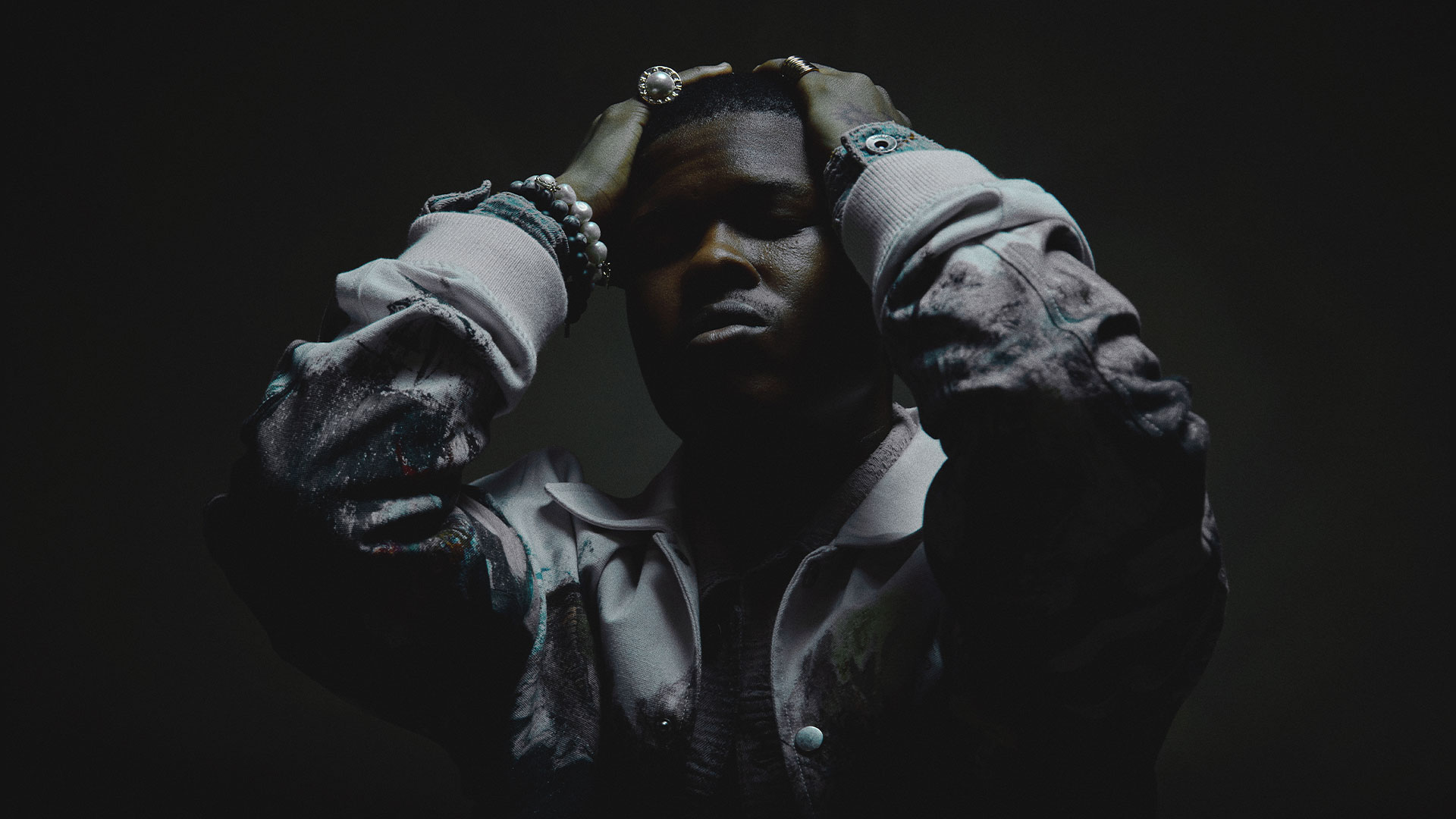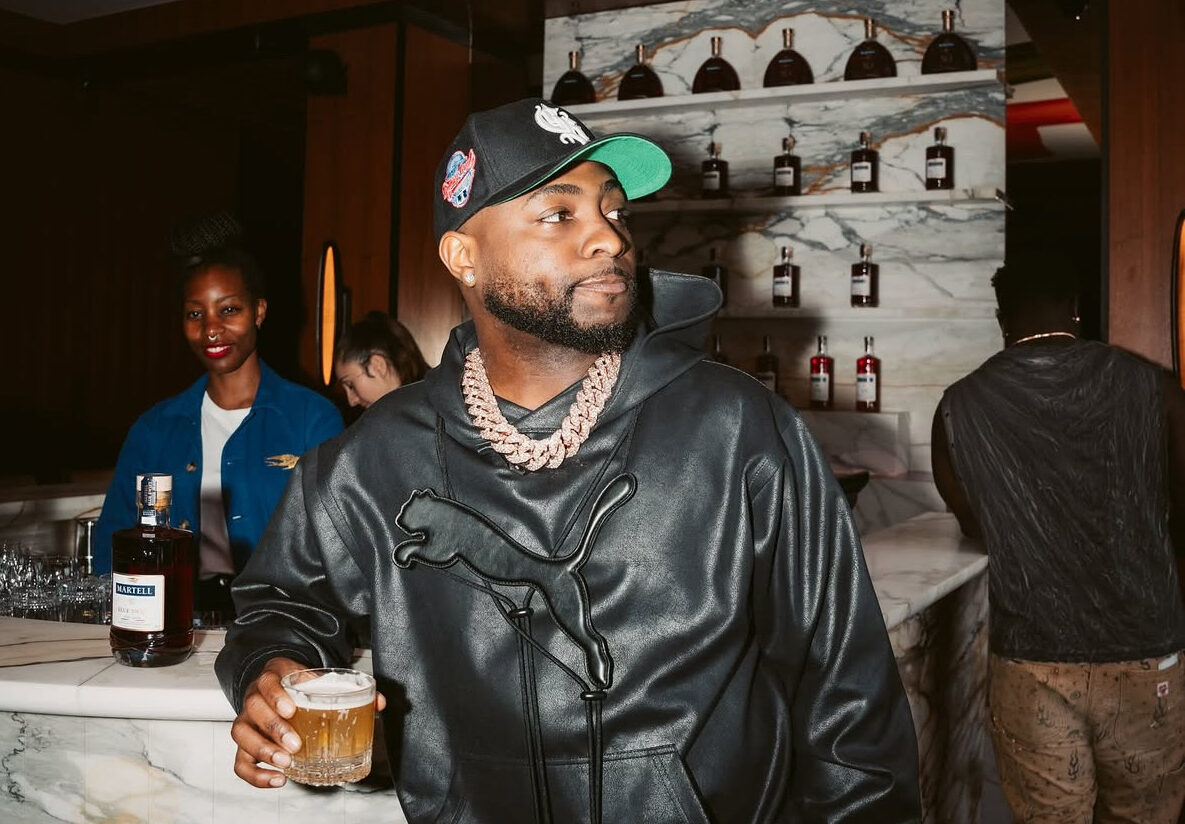
Luxury cognac brand Martell has quietly re-rewired its global strategy. Rather than merely selling aspiration, it has chosen to plug into culture — specifically Africa’s cultural moment. The partnership with Davido marks a turning point: it signals that Martell no longer sees African markets simply as consumers, but as creative partners and trend-setters.
Davido’s role with Martell goes well beyond being a face or brand ambassador. He was invited into the process: in one campaign video, he reflection-walks through Lagos night-life, past billboards plastered with Martell’s new aesthetic, and the voice-over notes that “the global success of Afrobeats is no accident.” That message flips the usual brand narrative: it is Africa making global culture, not just consuming it. Martell talks about being bold and standing out — and by aligning so visibly with Davido, the brand links its heritage with youthful audacity and continental momentum.
One milestone: Martell released a special limited-edition blend tied to Davido’s Persona, using his personal story as a platform. Martell described him as “a flag-bearer of audacity and excellence” and made clear this wasn’t just about endorsement, but about creating something new together. The impact is visible: such collabs uplift the artist and elevate the brand in ways that feel serious and culturally plugged-in.
What does this mean for culture on the continent? First, it shows that African creators are no longer side-kicks in global branding—they are co-authors. When Martell meets Davido at the table, the cultural code is reversed. The continent isn’t borrowing the brand’s prestige; the brand is leveraging the continent’s cultural currency. That shift matters. Young African creatives now watch global campaigns and see themselves as part of the story. Representation here isn’t just image—it’s agency.
Second, it reframes luxury in African terms. Traditionally, luxury was assumed to mean European heritage and Western elite. Today, Martell’s Africa-focused work redefines luxury by adding the rhythm of Lagos, the energy of Accra, the style of Nairobi. It suggests that culture, community and identity are as valuable as rarity or price. For the African consumer, the message is that luxury must include you—not exclude you.
Third, the partnership offers a blueprint for creative commerce. It shows that when a brand respects local voice and gives space for narrative-shaping, the result resonates. The most powerful campaigns are no longer about pushing product—they’re about telling stories that feel real. Martell and Davido understood that. Their work emphasises shared journey rather than polished perfection.
For creatives reading this: the lesson is clear. Seek brand partnerships that ask you to lead the story. Align yourself with values, not just logos. And insist that your culture be treated as active, not passive. When you collaborate with brands, aim for co-creation, not just colour-in. That’s what Martell is doing — and the ripple will be felt by many.
In sum, Martell’s influence in Africa isn’t simply about capturing market share—it’s about capturing relevance. By working with Davido and embracing Africa’s creative infrastructure, the brand has shifted from luxury as exclusion to luxury as collaboration. The narrative is evolving: when African culture moves, global culture moves. Martell’s step into that movement suggests luxury’s future lies in partnership, not patronage.