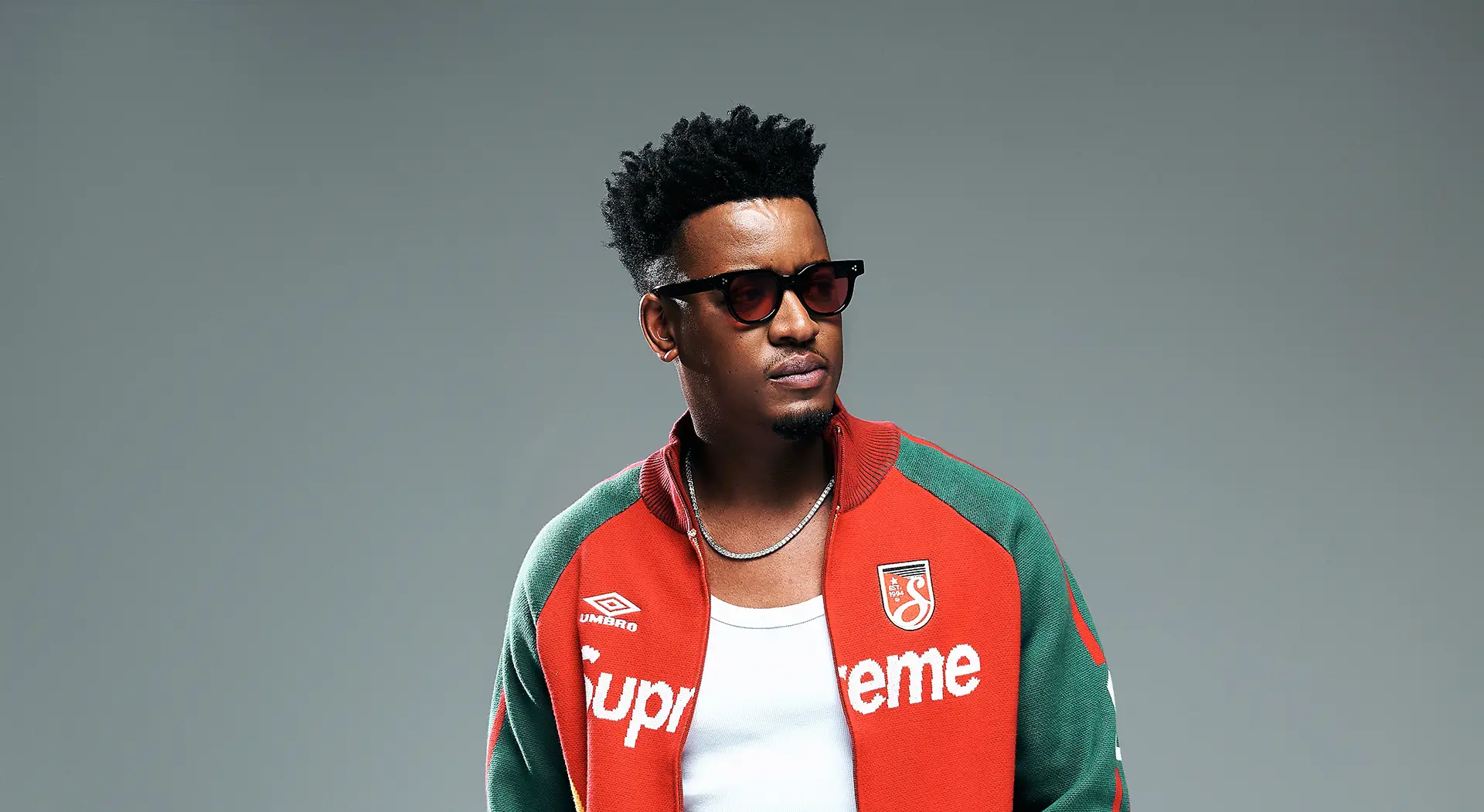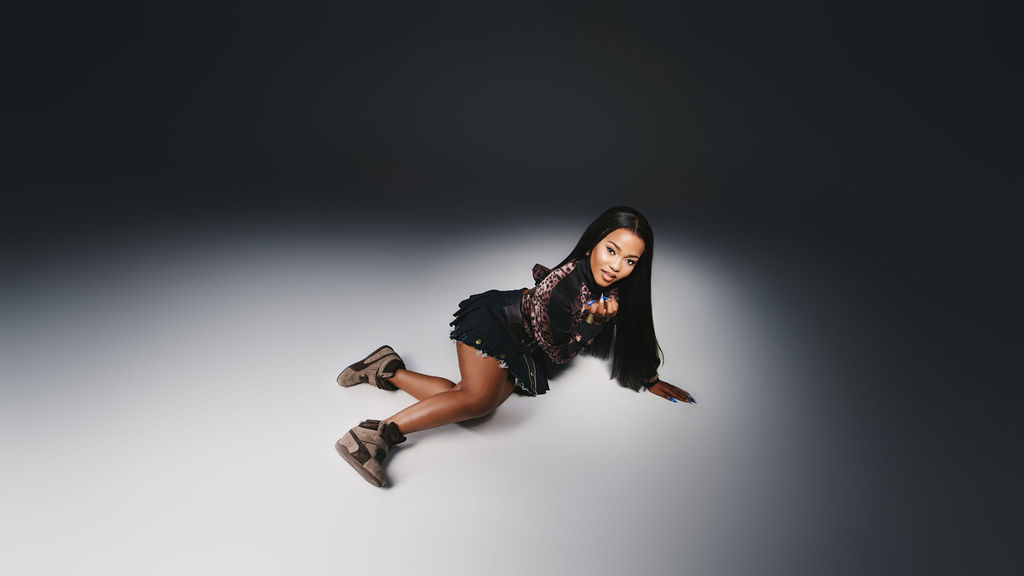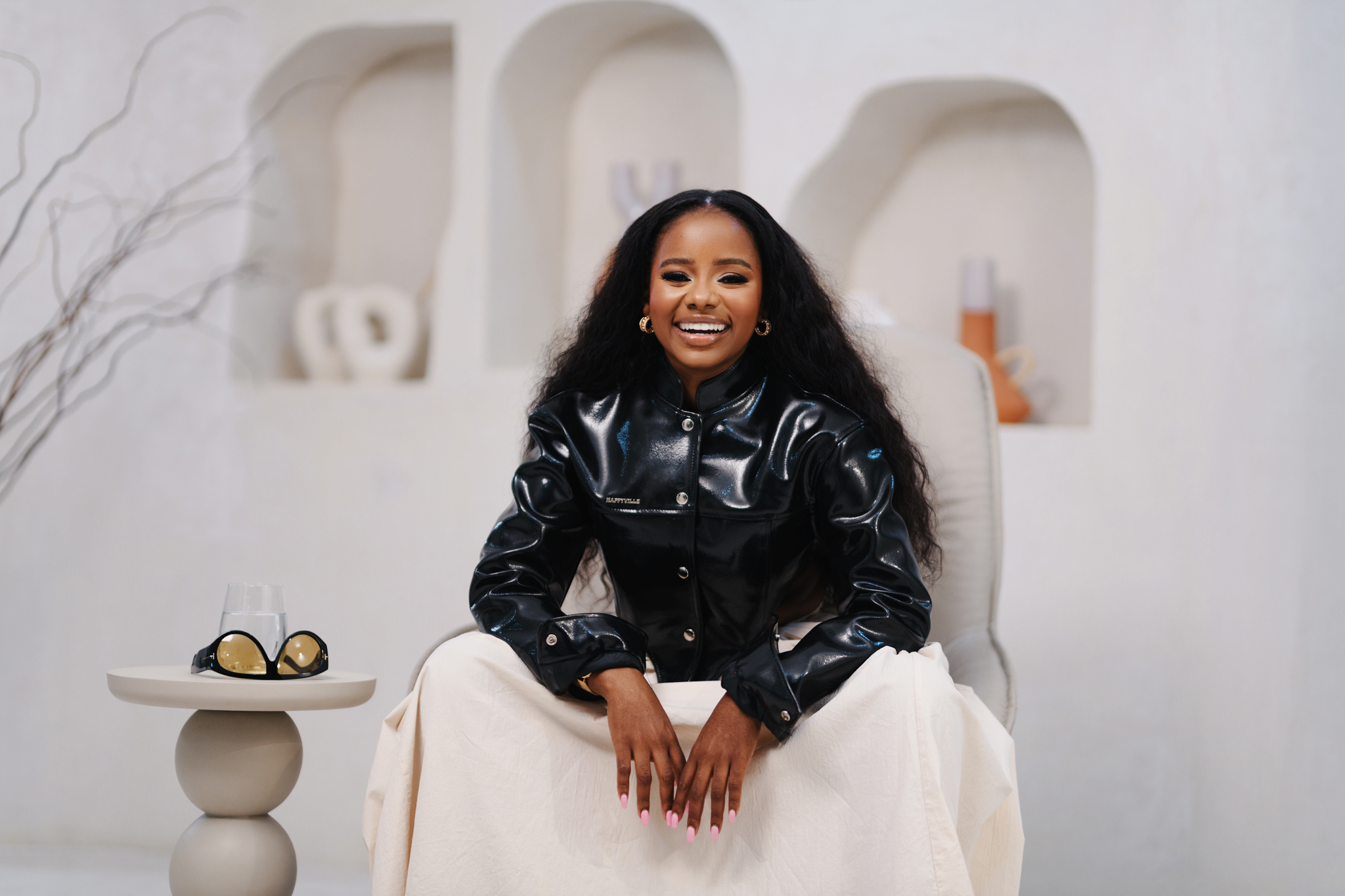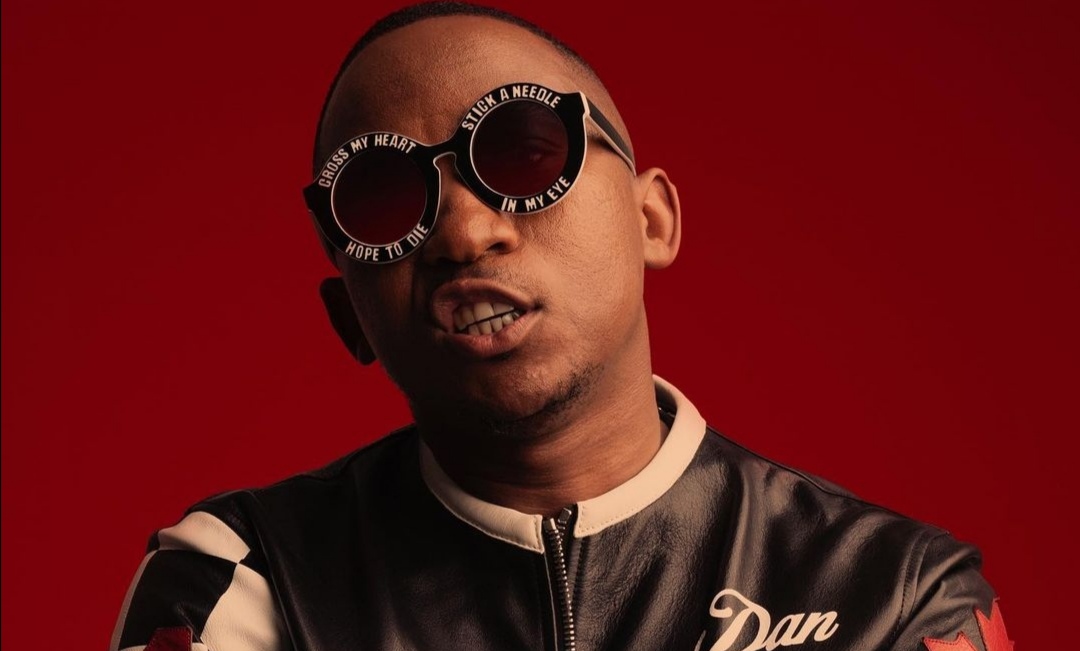
On the surface, Bad Influencer appears to be a slick crime-drama set in Johannesburg’s influencer scene. But what unfolds is far more provocative: a sharp commentary on digital culture, luxury illusions, and how profoundly access to applause has reshaped value in the 21st-century African context.
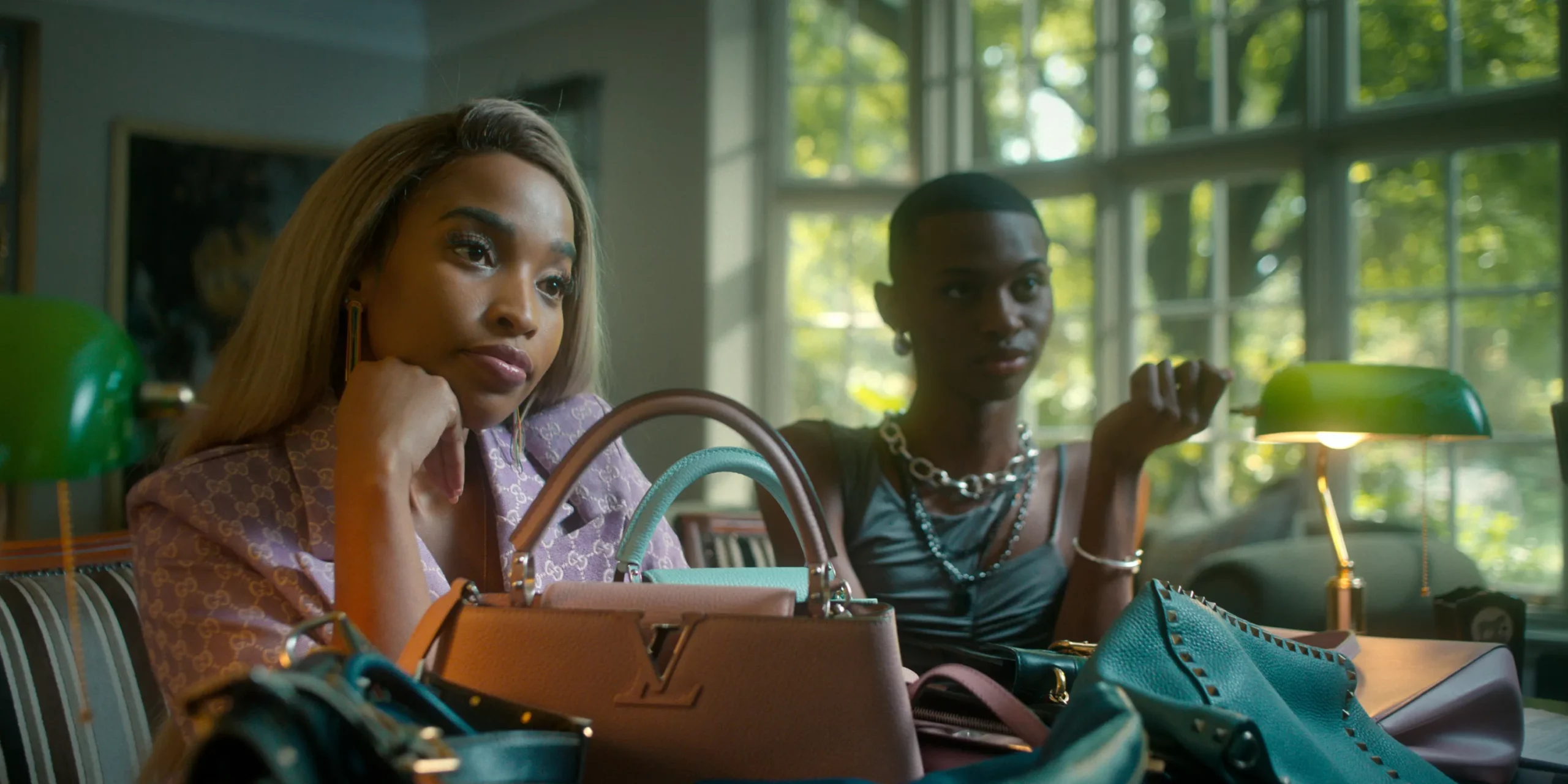
The series centres on BK Msinga, a financially strapped single mother with a neurodivergent son, who begins crafting high-end counterfeit handbags. A chance online interaction with Pinky, a mid-tier social media star, turns into a partnership built on deception and ambition. Together they navigate a world of fake luxury, hidden debts and the empty promises of virality. Their uneasy chemistry anchors a story that is part thriller, part social satire and entirely of this moment.
What makes the series compelling in the African context is how it places local texture at its heart. The counterfeit bags, the influencer events, the debt aggressively pursued by loan sharks — these are realities for many across the continent who see status as survival. Behind the glossy posts and filtered grids lies a deeper tension: luxury as escape, authenticity as currency. The show knows that African online culture isn’t just following global trends; it’s remixing them.
Visually the series impresses. Johannesburg is framed not as a backdrop but a character: its malls, backstreets, parties and pawnshops form a network of opportunity and desperation. The influencer gatherings feel familiar — the carefully angled images, the branded giveaways, the pose for the story. Yet beneath this façade there is vulnerability: social capital, once organic, is now fragile and fast-moving.
Performance-wise the lead actors carry weight. They make you believe in the stakes even when absurdity creeps in. The plot occasionally teeters—some narrative turns stretch logic—but the tone holds steady. It remains less about perfect realism and more about the feeling of being caught in a system not built for you, yet you are trying anyway.
The series isn’t flawless. The pace sometimes rushes scenes that deserve pause; certain character motivations could use deeper roots. Yet maybe that rawness is intentional. In a world where content is uploaded, deleted and replaced in minutes, even narrative arcs imitate the speed of the swipe.
For Society’s audience, this series offers a rich point of departure. It compels creatives to ask: what does value mean when every image is commerce? What happens when your personal brand becomes your business, and your business becomes your identity? The answer may be messy — and that messiness is what the show explores.
In conclusion, Bad Influencer is more than entertainment. It is a mirror held up to a generation that crafts visibility as strategy and survival. It will not give answers but will provoke questions: When there are millions of followers, what does “real” look like? When luxury is fake, what is the cost of the image?