In the story of African cinema, it’s often the directors or actors who get the spotlight. But behind the lens, a quiet revolution is being led by women whose names rarely make headlines — producers, cinematographers, editors, and showrunners building the continent’s new film economy from the inside out. They’re not just shaping stories. They’re changing how those stories get made.
Across Africa, the new creative landscape looks markedly different from a decade ago. Streaming platforms, global co-productions, and the rise of homegrown studios have opened doors that once seemed locked. Inside those spaces, women are stepping into roles long considered unreachable — and their presence is altering both process and perspective.
The Producers Leading the Shift
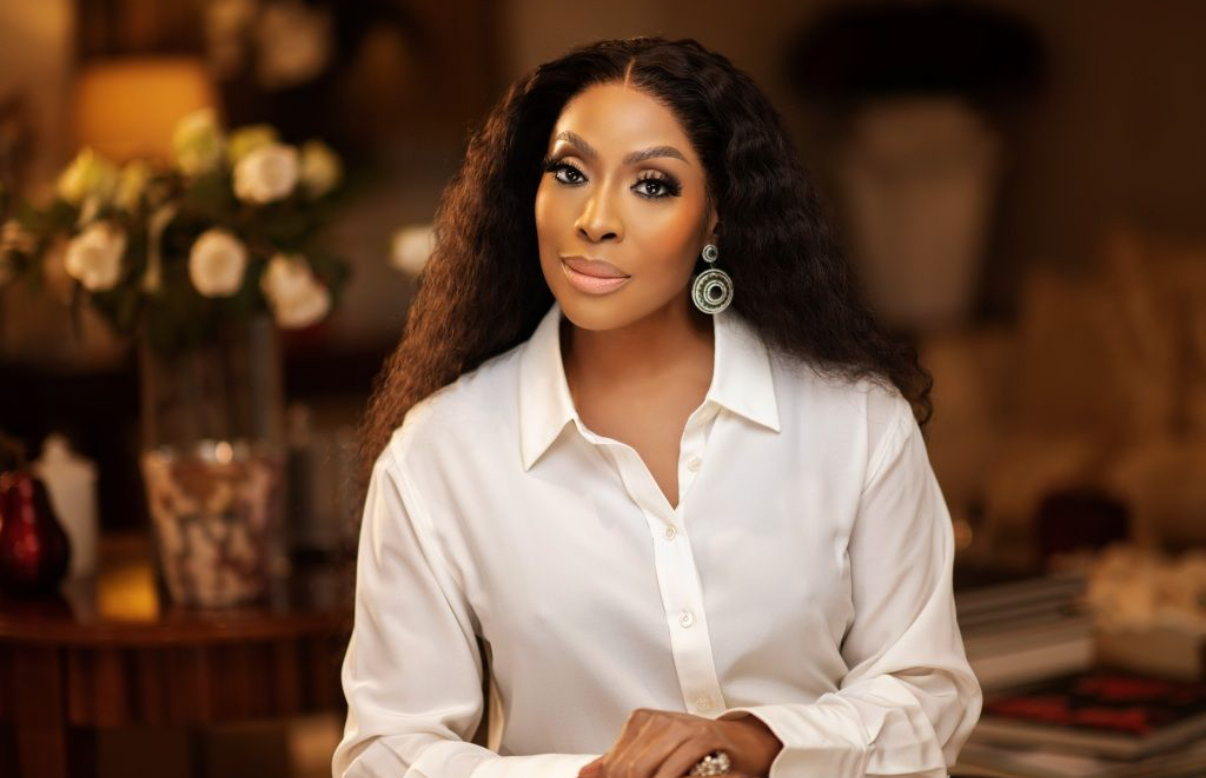
To understand the current wave, look at the women producing Africa’s biggest hits. Mo Abudu of Nigeria’s EbonyLife Studios is often called “Africa’s Oprah,” but her real contribution lies in strategy. By negotiating multi-year deals with Netflix and Sony, she proved that African producers could partner globally without surrendering control. EbonyLife’s success sparked a shift across the continent — suddenly, production was no longer about surviving budgets, but scaling vision.
In South Africa, producers like Bongiwe Selane have carried that baton further. Her film Happiness Is a Four-Letter Wordbroke box-office expectations in 2016 and cemented her reputation for telling Black women’s stories with both elegance and commercial instinct. Selane’s company, Blingola Media, now mentors young female producers through film labs, ensuring the next generation learns both storytelling and ownership.
Kenya’s Judy Kibinge, founder of DocuBox East Africa, focuses on documentary filmmaking, a genre often overlooked but vital for social storytelling. Through her incubator model, she’s financed and coached over a hundred filmmakers, many of them women. The ripple effect is visible — Nairobi now hosts one of the most active documentary circuits on the continent, with women directors shaping national conversations through film.
The Women Behind the Camera
Cinematography has long been dominated by men, but that’s changing fast. South Africa’s Motheo Moeng, Nigeria’s KC Obiajulu, and Kenya’s Joan Poggio represent a new wave of female directors of photography redefining what African film looks like. They shoot with sensitivity, focusing on texture, intimacy and environment rather than excess gloss. The camera in their hands feels more empathetic — lingering on faces, communities and daily rituals in ways that draw audiences closer to real life.
Editors too are claiming space. Ghana’s Afua Ankomah, known for her work on festival films and short-form series, speaks of editing as “emotional rhythm.” Her generation values pacing and silence as much as dialogue. They cut to make viewers feel, not just follow.
A Different Kind of Leadership
For many of these women, the real challenge isn’t creativity — it’s infrastructure. Access to funding, distribution, and technical support still skews male. But rather than wait for permission, they build workarounds. Women-led collectives are pooling resources, sharing post-production equipment, and creating regional pipelines for talent exchange.
This cooperative spirit has birthed a culture of mentorship that’s quietly transforming the industry. Veteran producer Sara Blecher often invites young interns to shadow her on set, demystifying the process of independent film finance. South African editor Nonkululeko Mlangeni runs workshops teaching women how to transition from film school to paid projects. The result: not isolated success stories, but systems that outlive individuals.
A Broader Lens
The rise of women behind Africa’s screens isn’t just representation — it’s redirection. The kinds of stories being told are shifting. We’re seeing mothers who are dreamers, not martyrs; young women who are complex, not symbols; communities that are vibrant, not tragic.
Audiences feel that change, even when they can’t name it. The tone of African cinema is growing more nuanced, more emotional, more human. That’s the quiet power of women shaping vision from behind the frame — they’re not fighting to be seen; they’re changing what being seen looks like.