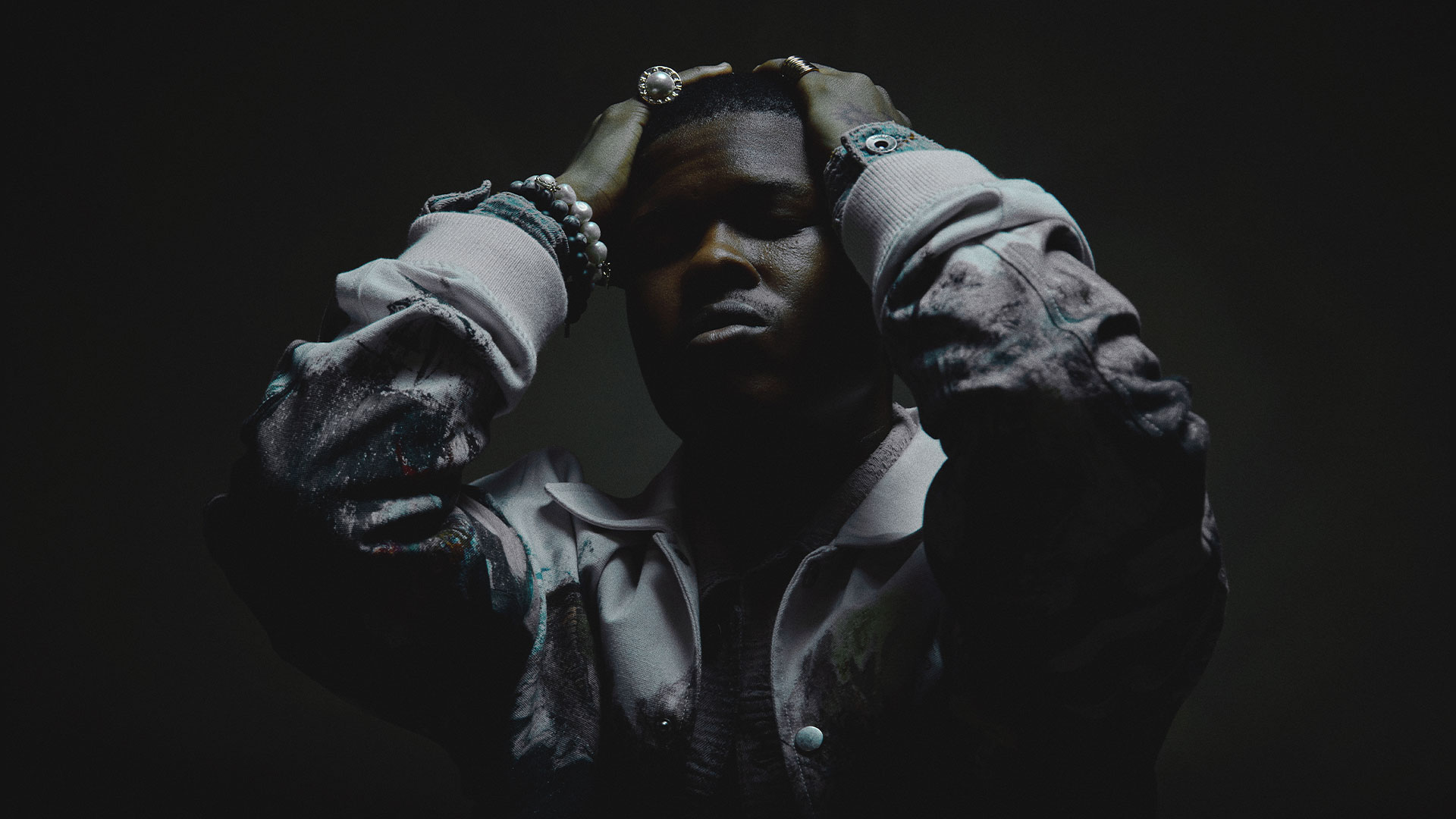
The era of waiting for opportunity is over. From Nairobi to Johannesburg, Accra to Kigali, young Africans have stopped asking for permission. They’re building culture in bedrooms, parking lots, and warehouses—spaces once overlooked, now reimagined as creative frontlines. What’s happening isn’t just a trend; it’s a generational rejection of gatekeeping.
Across the continent, a wave of self-taught filmmakers, stylists, photographers, and sound engineers are using what they have to create what they want. In Johannesburg’s Braamfontein, street corners become photo sets. In Lagos, Airbnbs double as fashion studios. In Accra, thrift stalls morph into pop-up galleries. The common thread is simple: if institutions won’t open doors, they’ll build their own.
Many of these creators operate outside traditional structures. They crowdfund on Instagram, edit videos on phones, sell prints through Twitter DMs. What began as necessity has evolved into a defining aesthetic—raw, fast, collaborative, and unfiltered. There’s beauty in the imperfection, in the proof that Africa’s creative youth can produce global-standard work without global-scale budgets.
Take South Africa’s alt-scene. What started as a handful of friends organising underground events has become a network of collectives defining the look and sound of the decade. The same is true in Kenya’s film community, where a short shot on a borrowed Canon can trend worldwide overnight. In Ghana, streetwear designers host runway shows in car parks while DJs livestream from balconies. It’s not chaos; it’s innovation born from urgency.
Technology plays a key role. Smartphones double as cameras and publishing tools. Streaming platforms have replaced traditional distribution. For this generation, YouTube is a cinema, TikTok is a newsroom, and Spotify is a passport. They’re using the internet as both classroom and marketplace—learning the craft, selling the vision, and exporting culture at once.
There’s also a quiet defiance in how they present themselves. Humour softens critique; memes replace manifestos. Political frustration becomes digital creativity. When institutions fail, art fills the silence. The youth document their world not to impress investors, but to prove existence—to say we are here, we are many, and we are moving.
But independence has its cost. Burnout is common; so is exploitation. Many balance full-time jobs while funding personal projects. Yet even exhaustion becomes material—fuel for songs, zines, and spoken word. In this constant hustle lies resilience.
The kids are no longer waiting for seats at the table. They’re building new ones from scrap wood and borrowed lights. What began as survival has turned into style; what started as rebellion has become the blueprint for Africa’s creative future.