The funny thing about “Ngisakuthanda” becoming one of Zee Nxumalo’s defining songs is that Zee Nxumalo did not particularly like it. When she first heard the record, she felt almost nothing. “I had no feelings towards the song when I first heard it,” Zee remembers. “I did not relate whatsoever, I just had no feeling. But everyone was so excited about it, so I recorded my part.”
Not quite everyone. There were people around Zee who were equally unconvinced, which makes the history of “Ngisakuthanda” feel stranger with distance. Released on September 6, 2024, the record would eventually top major South African streaming, radio and discovery charts and become the kind of song audiences began singing back to Zee before she had fully accepted that it belonged to them.
Two years later, it has survived several newer releases and even acquired a second life through an eight-minute short film released late last year, which has now crossed one million views on YouTube. But before all of that, it was simply a slow song Zee’s team could not agree on. This is how “Ngisakuthanda” happened.
THE BEAT
PYY Log Drum King remembers being in a good mood. The producer was at a recording camp surrounded by artists, collaborators and enough creative freedom to start playing beats without knowing exactly what they were for. “I was in a very good space with good people and good artists,” PYY remembers. “I was encouraged to play some beats.” One of them stopped TBO.
“Bro, can I please try something on this beat?” TBO asked. He recorded an idea but left the session less convinced than the producer sitting beside him.
PYY: “I was like, this is the one. I even called Madondo to come listen to the song. Madondo asked me to export it and send it to him so he could play it in the car.” The song’s emotional premise came from somewhere much less romantic.
TBO: “I asked one of my friends if he had a concept, and he told me: imagine your partner cheating on you with a rich man. I liked the idea, so I put myself in that situation and wrote the song.”
A few days later, Zee returned to record the hook and her verse. The first time she had worked on the beat in an earlier session, the chemistry had gone nowhere. “Zee just wanted to get out of there as fast as she could,” remembers Wandile Madondo, her musical director. This time, something changed. PYY: “After two or three days, Zee recorded the hook and the verse, and it was magic.”
TBO remembers sitting with PYY afterwards and talking about the feeling in the record. “We spoke about how it had a nostalgic feeling to it, and all we need for the song to blow up is to give it to the masses,” he says. “Once they hear it, they’ll fall in love.” The difficult part would be getting it to the masses at all.

THE DOUBT
“Ngisakuthanda” moved at a tempo Zee did not associate with herself. At the time, records like “Funk 55” and “Thula Mabota” had helped establish her around music that moved faster and hit more immediately. “I was unsure about it because of the slow pace,” Zee says. “It’s not the kind of song my brand had become associated with, so it just didn’t fit in. I wanted to put out more of the same type of music that was hot at the time. Songs that made people dance.”
Madondo heard something else. “Honestly, the song had very little favour internally,” he remembers. “I was lobbying everyone in the team, hoping someone would join me in pushing for it.” The more opinions Zee heard against the song, the less convinced she became. There were newer ideas around, records that felt easier to understand in the context of what was already working.
Madondo: “There were so many other ideas floating around, and I was the only one insisting on this record. At one point, I even considered handing the song over to TBO to release it himself. He and I were in constant communication about how much we believed in it.”
Then TBO posted the song on TikTok. Nothing exploded. There was no instant challenge or overnight viral moment. But enough people responded for the room to shift slightly.
“That was the first opening that made Zee warm up to the idea,” Madondo says. They released it, and almost nothing happened.
THE WAIT
“The song had a disappointing release,” Madondo remembers. “It kept me up at night. I’d lie there battling with whispers of failure. They were probably all in my head.” By the standards music increasingly sets for itself, “Ngisakuthanda” had already been given its answer. A record comes out, the first weekend produces its data and everybody moves on to the next possibility. Zee mostly did too.
“I even lost it with Zee once for not showing pride in promoting her own product because she just moved on so quickly,” Madondo says, laughing now. When her Inja Ye Game project was being assembled, the argument returned. The song had been out long enough to be considered something close to a non-success, and there were people who saw little reason to keep carrying it forward. Madondo insisted it stay.
“The moment I felt the tide was turning was in Namibia,” Zee remembers. “The crowd started singing ‘Ngicela uxolo’ back to me. The song wasn’t even part of my set, so that really caught me off guard.”
She gave in and performed it. “I had to do so behind my DJ,” she says, “as I was not confident at all.” The audience had started believing before the artist did.

THE SONG CATCHES UP
There was never one clean moment when “Ngisakuthanda” became a hit. It accumulated. “For me, the growth was slow and steady,” Madondo says. “Around early to mid-December we began to see proper spikes. Zee only truly got behind the song in January, though. So maybe that was my moment of success, when she claimed it for herself.” By then, the record was becoming increasingly difficult to avoid.
PYY: “It feels amazing watching something we’ve built become the biggest song in the country. It feels so unreal. Each and every artist and producer wants to see their song at the top.”
He is also quick to share the credit. “I didn’t do the beat alone; I did it with my boy TS, we were helping each other.” For TBO, the record altered how people looked at him. “Having such a big song with an artist like Zee Nxumalo has changed how people view my talent,” he says. “It’s given me more recognition and more respect from my peers because I believed I’ve been underrated for a long time.”
Zee’s relationship with the record changed most dramatically. “I’ve grown to be super proud of the song,” she says. “Especially because it organically grew with very little support or effort on my end.”
She now sees something of herself in its strange trajectory. “‘Ngisakuthanda’ is a great depiction of my career because, if you look at the trajectory of my journey, things all played out very organically and it took some time. This song really represents that for me.”
TWO YEARS LATER
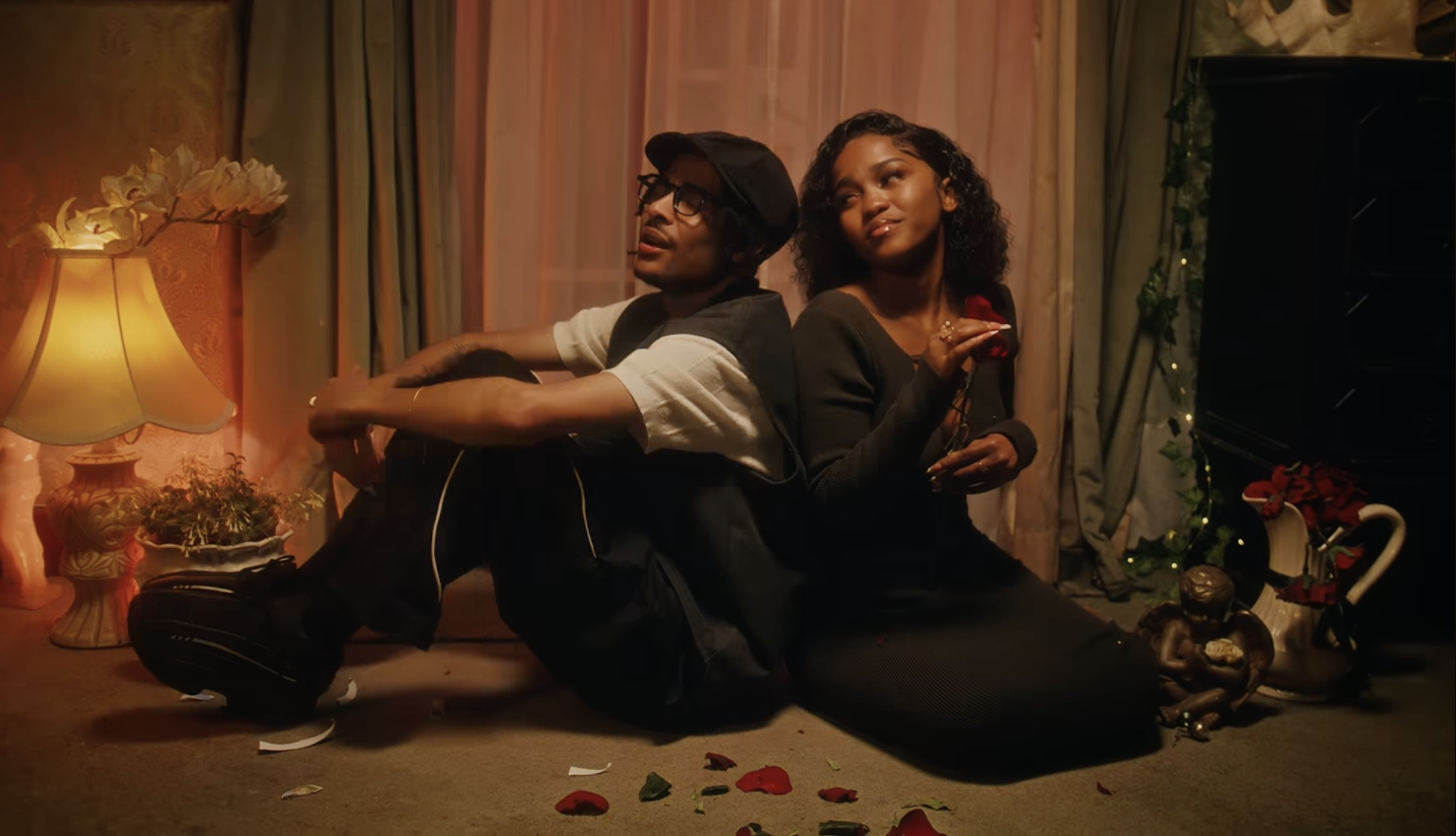
The most telling thing about “Ngisakuthanda” might be that it kept finding new ways to live. Late last year, Zee and her team turned the record into a short film rather than treating its lifespan as finished. The film takes the emotional world of the song and expands it into a story about young love, choices and heartbreak. It has since crossed a million views on YouTube.
There is something fitting about that.The song that everybody was once prepared to move past has become the song that keeps refusing to end. Two years later, the lesson is clear: Sometimes your instincts are wrong. Zee’s were, and most of the room’s were.
What saved “Ngisakuthanda” was that somebody kept making room for the possibility that the first response was not the final answer. That feels increasingly important in an era where songs are expected to prove themselves before they have been given much time to exist. Artists tease snippets, watch the engagement and make creative decisions around what the audience validates fastest.
Sometimes that system works brilliantly. Sometimes it means the strange song, the slow song or the record nobody quite understands yet never survives long enough to find the person who needs it. “Ngisakuthanda” survived. Two years later, the crowd has long since caught up.
So has Zee.