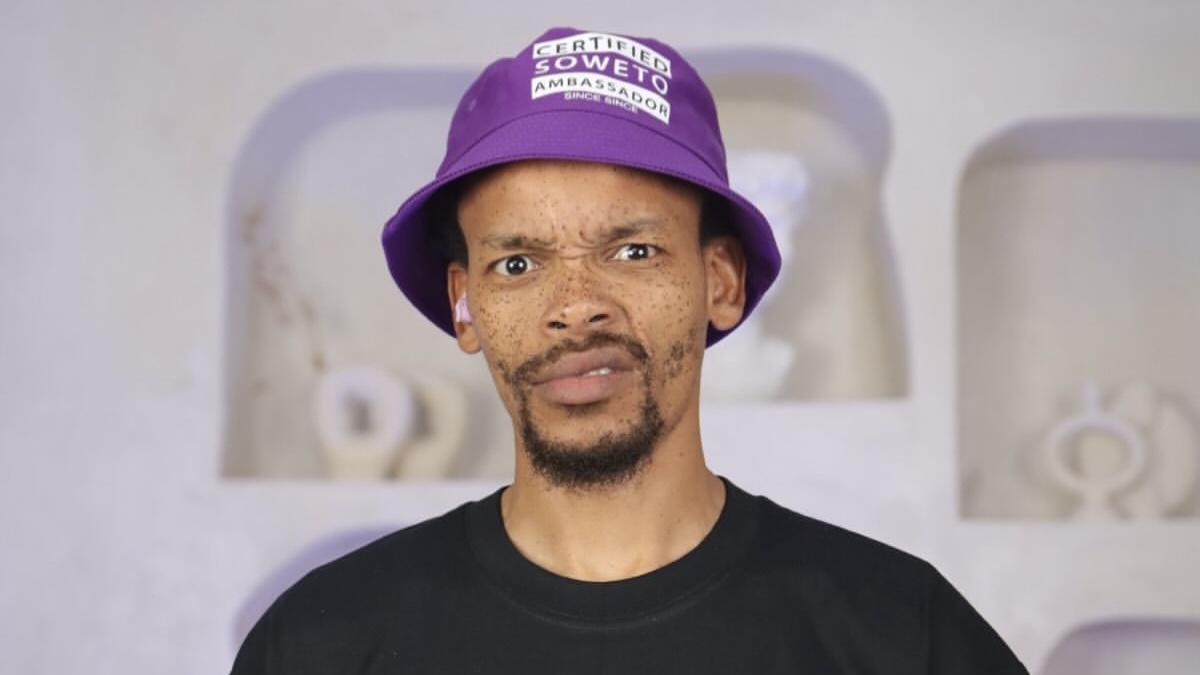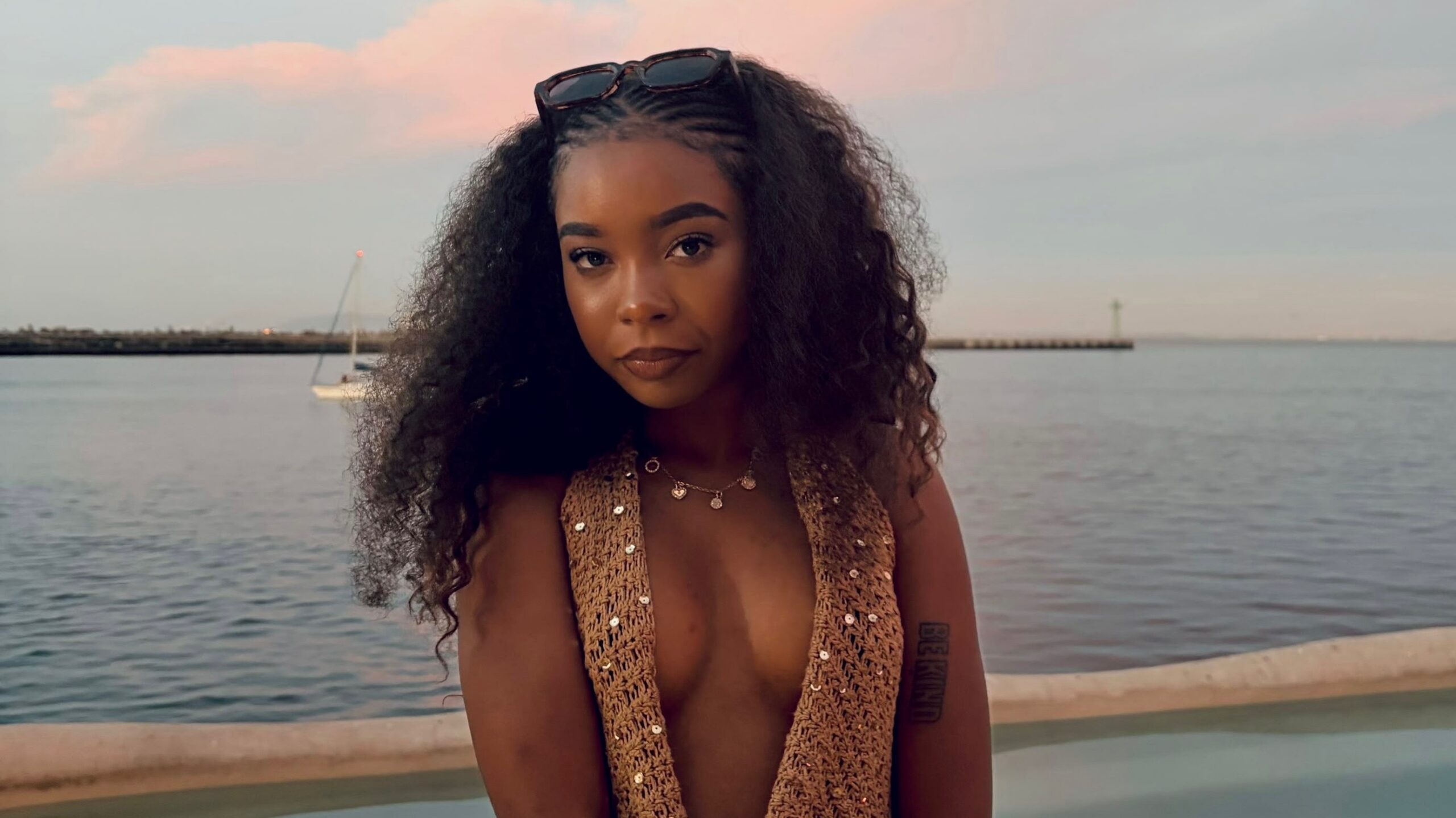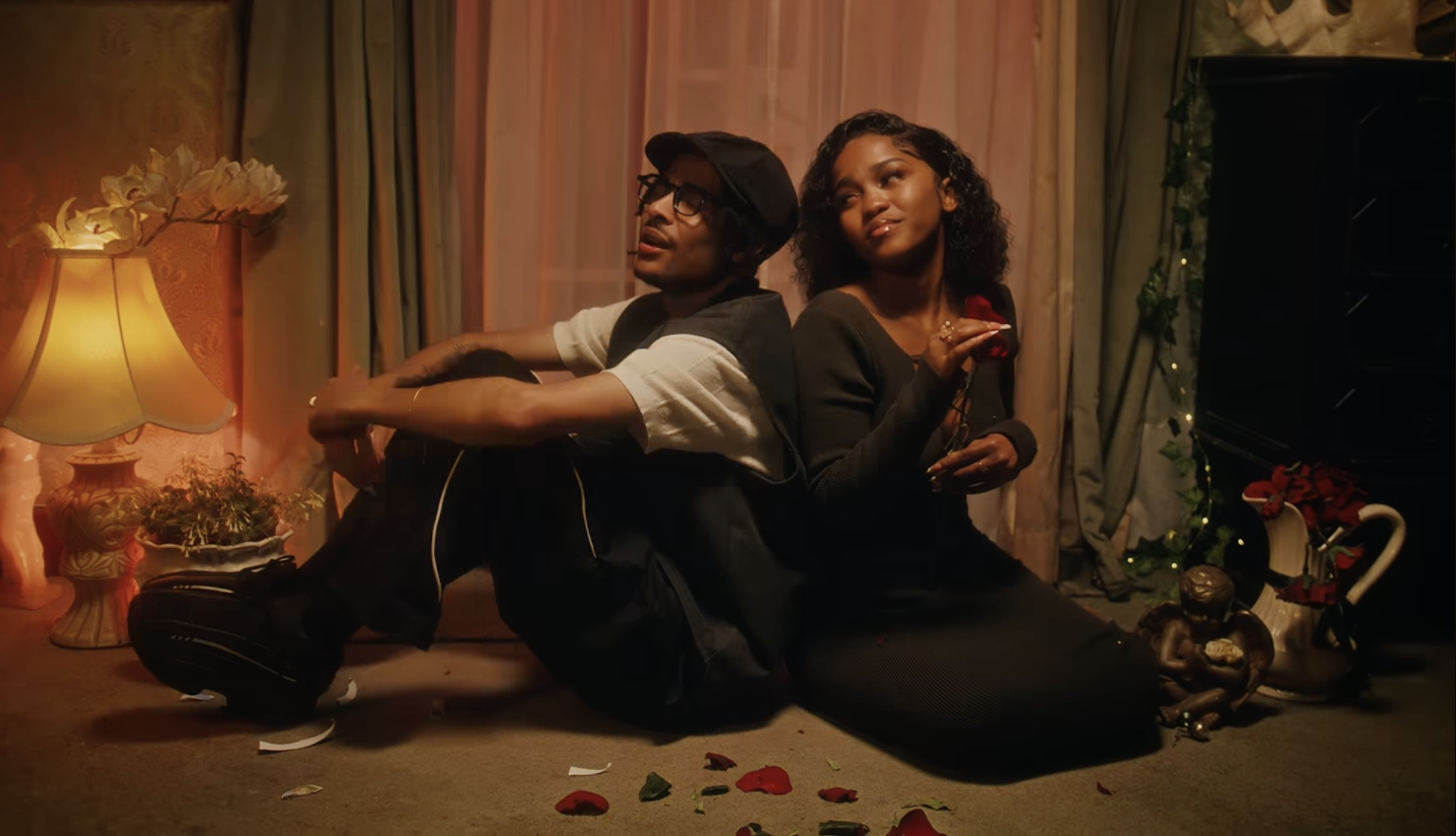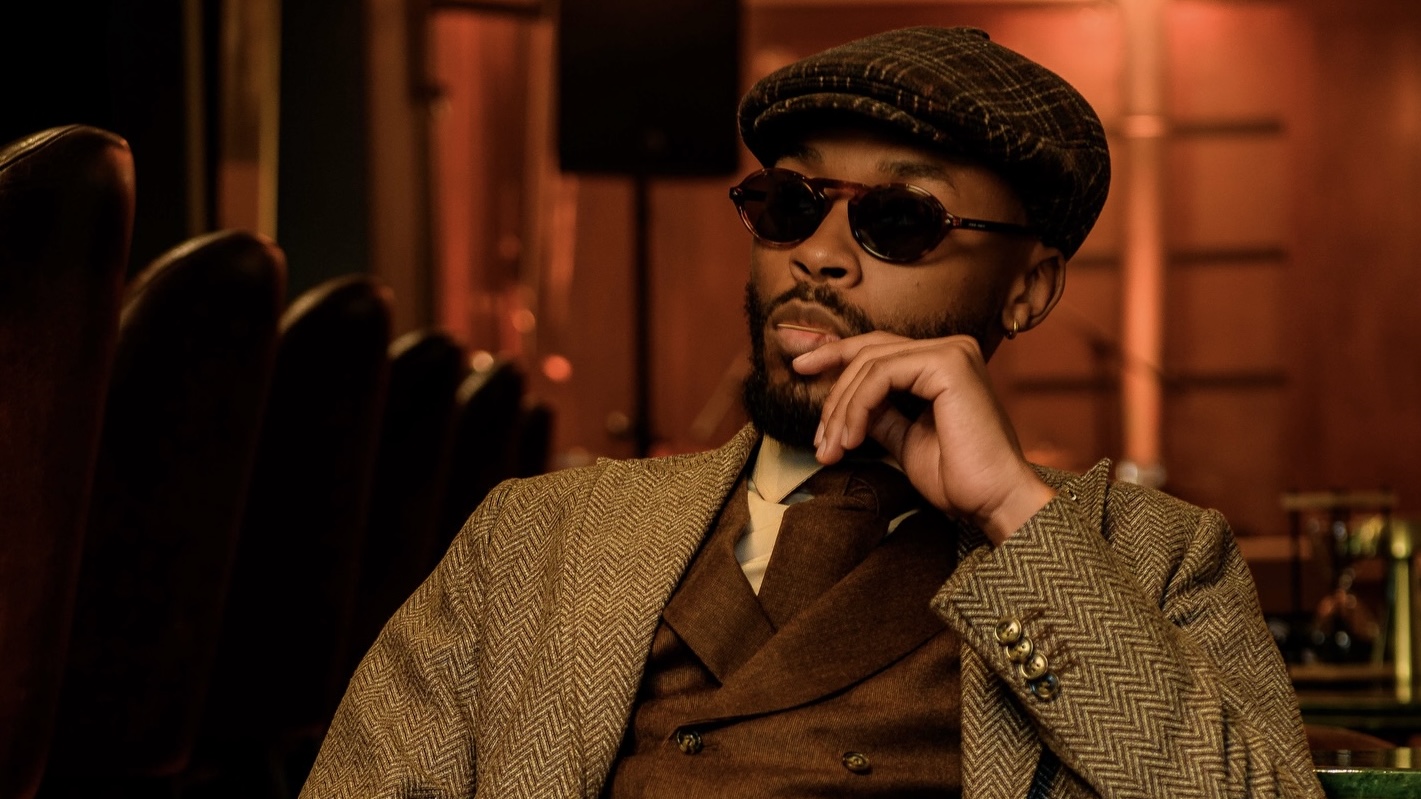
On 1 October, SABC1 brought back HotSpot Seli with Khanyi Mars, Munaka Muthambi and Roiii as its new presenting trio. The following night, VIP Lounge premiered on Mzansi Magic with Pamela Mtanga and Zulu Mkhathini. Earlier this year, Top Billing, one of the country’s most enduring lifestyle programmes, returned to television too.
Three shows do not necessarily make a revolution, but together they point to something that had largely disappeared from South African screens: the magazine show is back.
What has changed is the world it has returned to. There was a time when television played an outsized role in deciding which artists, clothes, restaurants, destinations and personalities deserved our attention. Shows like Top Billing, Selimathunzi, All Access and V-Entertainment did not simply document popular culture, they curated it. If you wanted access to a celebrity backstage, inside somebody’s home or on a red carpet, television could take you there. The show did the filtering, the styling, the interviewing and, to some extent, the deciding.
Today, most of that access sits in your pocket. An artist can show you their own house. A designer can introduce a collection directly on Instagram. TikTok can turn an unknown personality into someone with an audience before a broadcaster knows their name. A celebrity no longer needs a magazine show to invite people into their world because much of that world is already being uploaded in real time.
The speed of the internet has removed one of television’s old advantages, which raises a fairly obvious question: what is a lifestyle magazine show actually for in 2026?
Zulu Mkhathini has had a front-row seat to both versions of the industry. Before VIP Lounge, he spent years in television across shows including V-Entertainment and All Access, during an era when entertainment television still functioned as one of the main gateways into South African celebrity and culture. Then he stepped away.
When VIP Lounge came along, he admits he was initially unsure. He had been considering a move into sports broadcasting, and returning to the lifestyle space felt almost too familiar. But familiarity eventually became the reason to do it.
“That’s your bag,” he recalls thinking. “That’s really where you flourish. People know you for culture and lifestyle. And yeah, jump into it. And I think we made the right decision.”
Once the cameras were on, very little felt foreign. “Lifestyle and culture is quite easy for me to tap into, not only because I’m consistently tapped in with what’s happening in lifestyle and culture, but also because a big bulk of my TV career was that,” he says. “Getting back into this was just feeling like, okay cool, let me switch on that light again.”
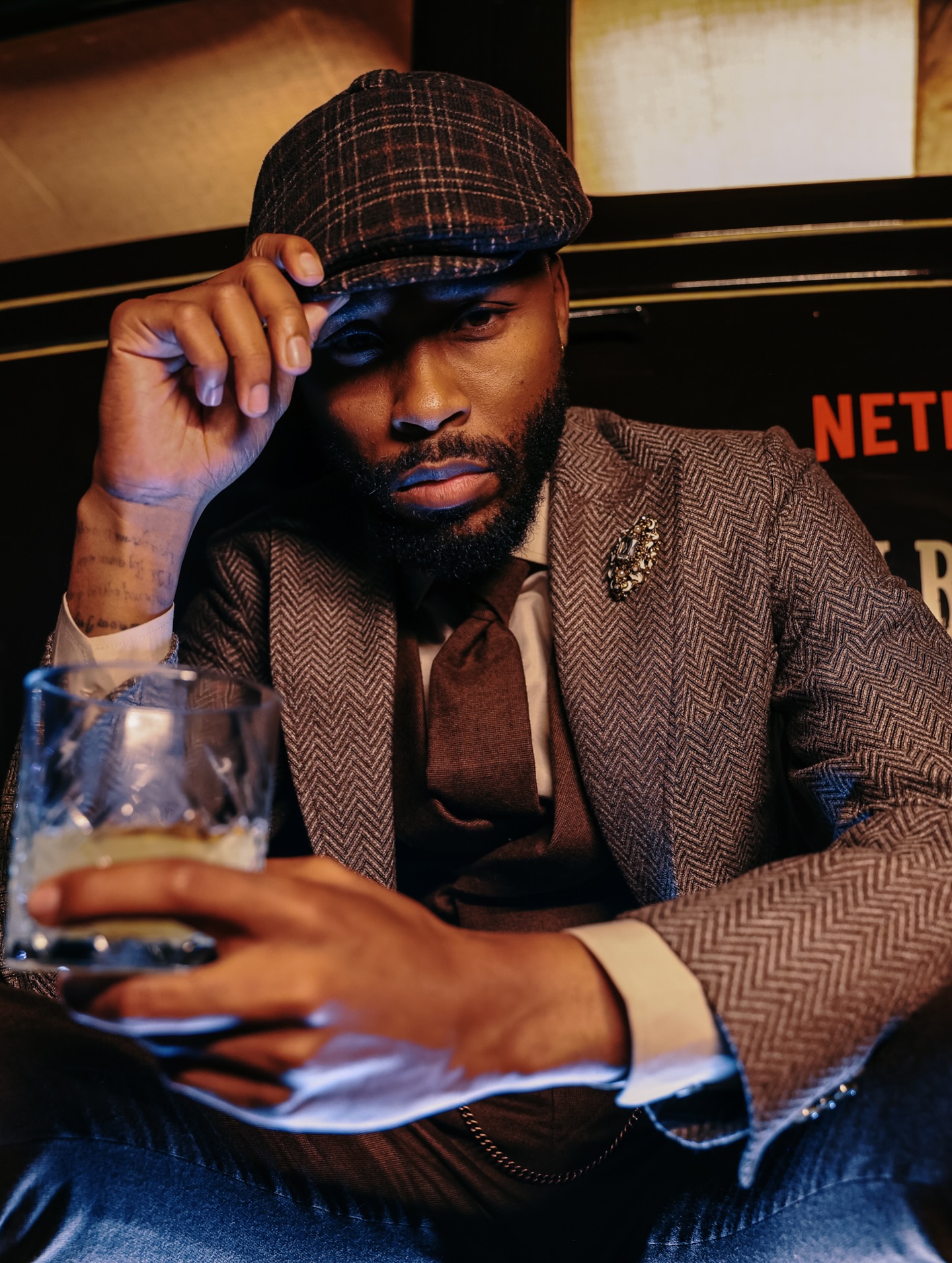
What required adjustment was everything around the presenting itself: sets, scripts, rhythm and the discipline of traditional production. That distinction becomes important when Mkhathini talks about what television can still offer.
“Lifestyle, travel, fashion is basically what social media is all about right now,” he says. “And I did feel that TV was missing that, because at some point they shut down all those shows. But the one thing that social media doesn’t have that traditional media has is production.”
For him, production changes the way a story feels. Social media might get you somewhere first, but television can slow a moment down, shoot it from multiple angles, build a narrative around it and make something feel like an occasion rather than another piece of content in an endless feed.
“There’s a feeling of nostalgia. There’s a feeling of heritage. There’s a feeling of home that traditional media brings,” he says. “Sometimes with social media they dilute and dumb it down just for the sake of content needing to come out now, come out quick. We focus on making sure that everything is high level. We focus on making sure that everything is not only presented, but told in a way where it’s aspirational.”
That word, aspirational, matters because it sits at the heart of what the magazine show historically sold. The clothes mattered, but so did the feeling around them. The celebrity interview mattered, but so did the access. Television could take something familiar and frame it in a way that made it appear larger, more polished and occasionally more important.
The challenge is that audiences no longer need television to discover those things. The casting of these newer shows seems to acknowledge that. HotSpot Seli arrives with a team whose careers move comfortably between music, social media, digital presenting and lifestyle content. Instead of manufacturing a new generation of cultural authorities from scratch, television is increasingly recruiting people who already understand how culture moves online.
VIP Lounge offers another version of that exchange. Mkhathini comes from an earlier television ecosystem, while Mtanga’s career has moved across digital platforms, live stages, brand campaigns and broadcasting. Mkhathini jokes that the two developed their rhythm in an unusual order.
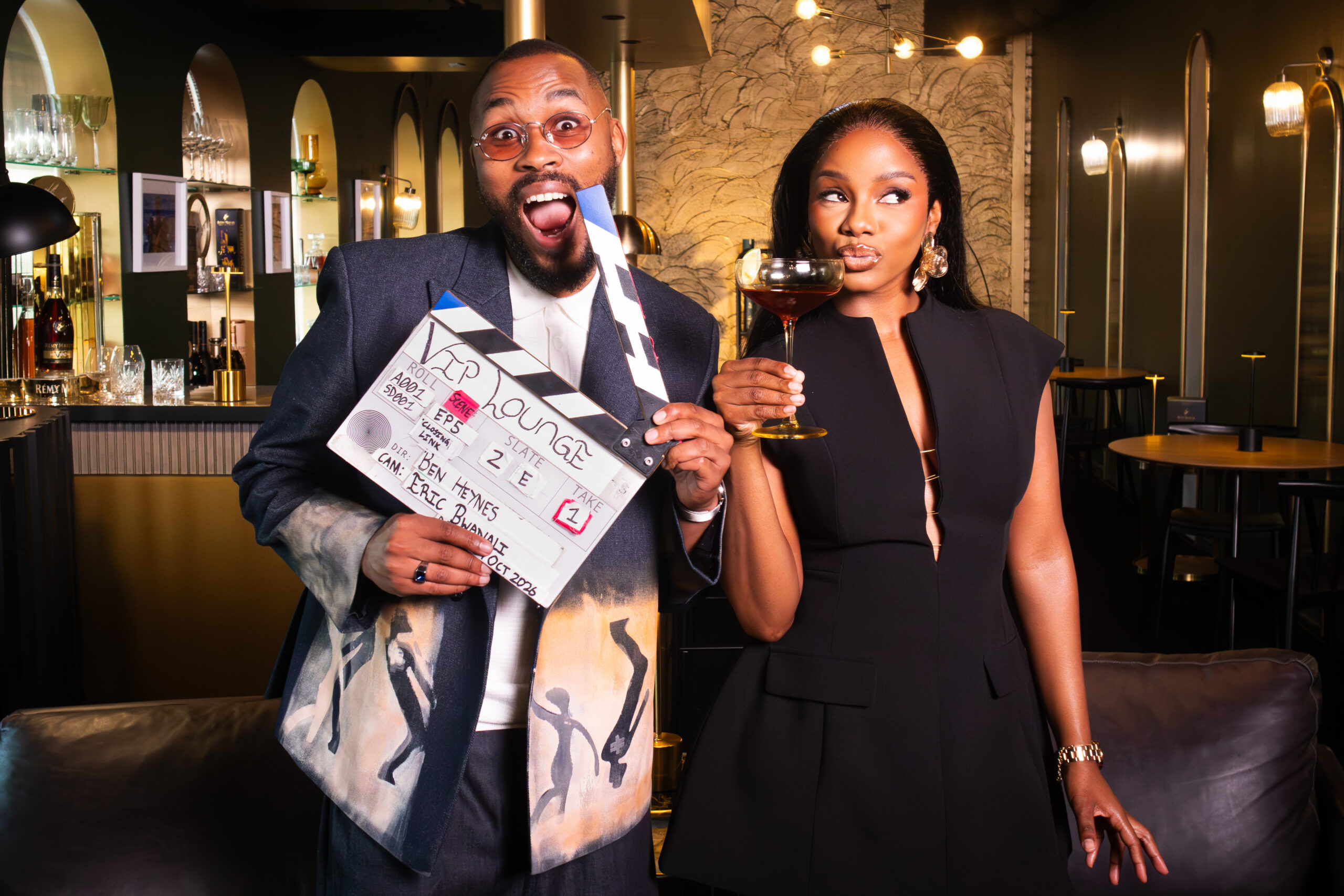
“I even feel like Pam and I got our chemistry on camera before we got our chemistry in person,” he says. He had watched her career from a distance before they ever worked together, and says seeing her approach the job now has also reminded him of his own early years.
“There’s learning in how she is moving even in this day and age,” he says, pointing to her social media presence, preparation, scripting and wardrobe. “In the same breath, coming back into the industry and seeing someone that hungry revives maybe even where I was when I started, my 2011, 2012. That’s the hunger that you need. That’s why you go places.”
It is also a reminder that the job itself has expanded. A television presenter today is rarely just a television presenter. They are expected to maintain a social presence, work with brands, understand fashion, appear at events, create content and remain constantly visible.
Mkhathini knows that tension particularly well. “I grew up being a public figure who then ended up becoming a content creator, and then the content creator side kind of diluted my public figure-ness at some point,” he says.
The distinction sounds small, but it says a lot about what has happened to celebrity over the past decade. Social media gave public figures direct access to audiences, but it also flattened different kinds of fame into the same feed. Musicians, presenters, actors, influencers and athletes can all end up making similar content because the platforms reward similar behaviour.
For Mkhathini, the other change has been the scrutiny that comes with that visibility. He remembers an earlier version of social media where sharing a relationship, family, car or achievement could build a public image people admired. Now, the same posts can invite questions, judgement and negativity.
“If you post that you just bought a Porsche, you’re most likely going to get negative feedback,” he says. “Why aren’t they married? They’ve been dating for three years. Where’s the baby?”
His response has been to share less. But sharing less creates its own problem in an industry where visibility is increasingly treated as proof of relevance. “I believe I suck at social media, and that’s just my reality,” he says. “Because of what social media expects and needs from you now.”
What he is trying to recover is the distinction between creating content and having a craft. “Just because I wear nice outfits doesn’t mean I’m not a dope presenter,” he says. “Just because I did a grooming reel doesn’t mean I can’t go in a studio and make a hit song.”
His return to television also comes after a more personal period of reassessment. Mkhathini speaks openly about reconnecting with his faith and reconsidering how he wanted to use his voice within entertainment. For a period, that meant pulling back from music and other creative work while he figured out what still felt aligned with him.
VIP Lounge, he says, arrived at the right point in that process. “I’m open to getting back into the entertainment industry and telling the pure side of entertainment and showing the happy side, the joyful side of creativity,” he says. “That’s what I feel VIP Lounge opened for me.”
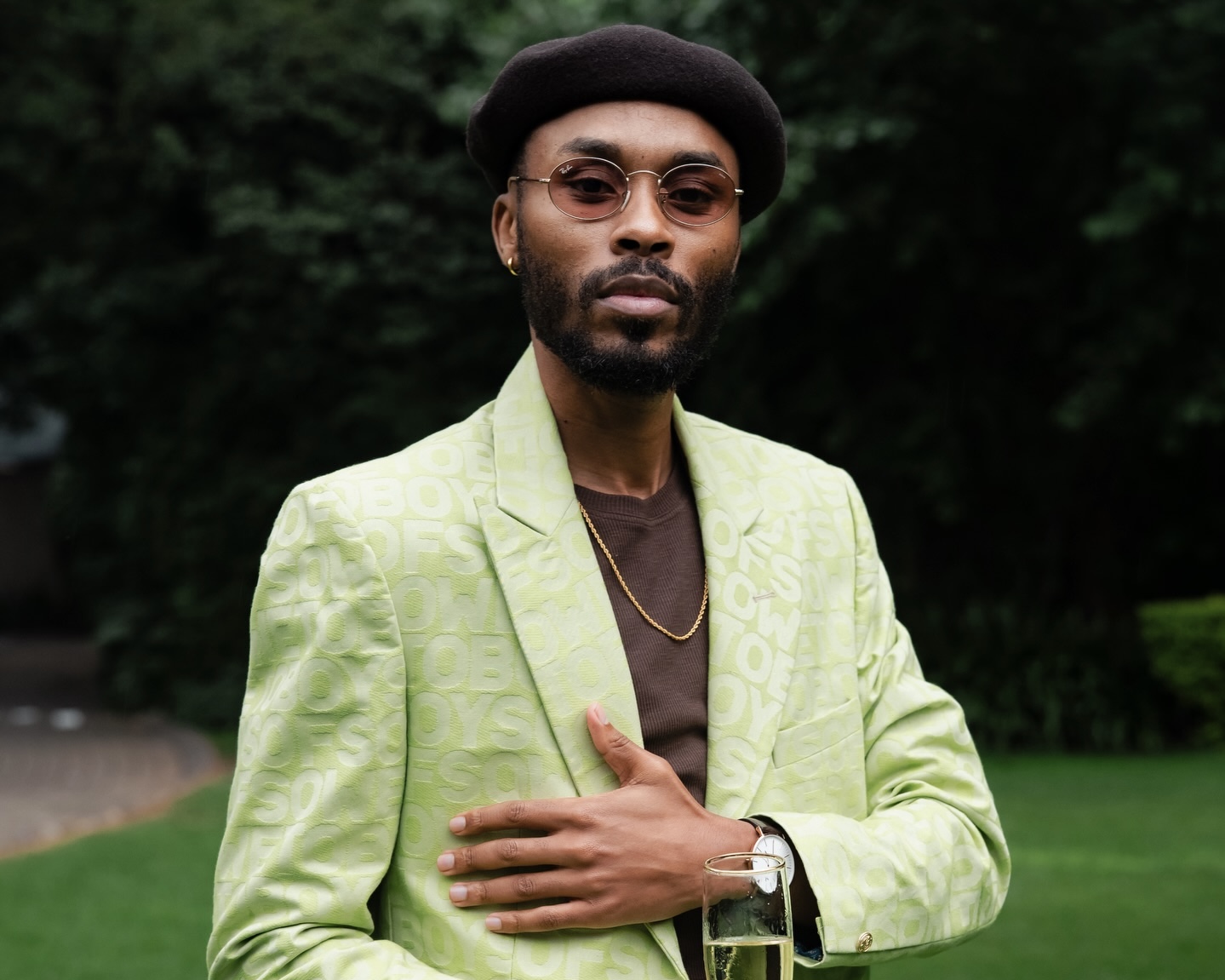
That idea of returning, rather than simply restarting, feels useful for understanding the format too. Perhaps the opportunity for the magazine show now is not to pretend the last decade never happened.
Television does not need to compete with TikTok by becoming slower TikTok. It can instead remind audiences why curation, craft and context mattered in the first place, while borrowing the personalities, instincts and immediacy that the internet has developed.
Mkhathini is clear that the two worlds still need each other. VIP Lounge, he says, has to translate what happens on television onto social media if it wants to bring younger audiences into the show. Traditional television can provide the production and storytelling, but it can no longer assume viewers will simply arrive because a show is on air.
That might be the real difference between the magazine show then and now. Television once introduced us to the people who told us what was cool. Now, increasingly, it is inviting people who have already survived the internet, built audiences across platforms and learned how modern culture moves to come back onto television and help make sense of it.
The magazine show is back, its job is just different now.
Since this interview, Zulu Mkhathini has been nominated for Best TV Presenter at the 2026 National Film & TV Awards South Africa for his work on VIP Lounge.
Public voting is now open and closes on 17 November at 12:00 SAST.
VOTE FOR ZULU MKHATHINI FOR BEST TV PRESENTER.